Representatives from the reference center of the University of Chile arrived in Paris to attend the 93rd General Session of the World Organization for Animal Health, which was held under the slogan "Investing in animal health to ensure the future of all."
Dr Javiera Cornejo, full professor at the Faculty of Veterinary and Animal Sciences (Favet) and executive director of the OMSA Center for Antimicrobial Stewardship in Aquaculture (CASA), was part of the Chilean delegation that attended a new General Session of OMSA, where the 183 member countries met to discuss and adopt the main international standards in animal health, welfare animal, food safety and responsible use of antimicrobials.
Chile's participation stood out especially for its technical leadership in aquatic animal health and for this model of public-private collaboration driven between official services, academia and the productive sector, an approach aligned with the principles of One Health promoted by OMSA.
"The composition of this delegation reflected the technical and institutional coordination that has allowed Chile to position itself as an international reference in matters of health surveillance, biosecurity, certification, traceability and aquaculture sustainability, further strengthening the coordinated work between the public sector, academia and industry," said Dr. Cornejo, who has led this strategy from the University of Chile with the CASA, integrated centre made up of different research teams linked to the aquaculture sector.
One of the most relevant milestones of the assembly was the presentation and approval of the report of the Sanitary Standards Commission for Aquatic Animals, led by its president Dr. Alicia Gallardo, who is a researcher at the CASA Collaborating Center.
During the plenary, new regulatory proposals were discussed and adopted aimed at strengthening the prevention and control of diseases, the welfare of aquatic animals and the sustainability of production systems at a global level.
"The work that OMSA carries out is a true team effort, where each actor plays a fundamental role. It is like a football match: we all must have clarity about our role and collaborate in a coordinated way to achieve a common goal," said Dr. Gallardo.
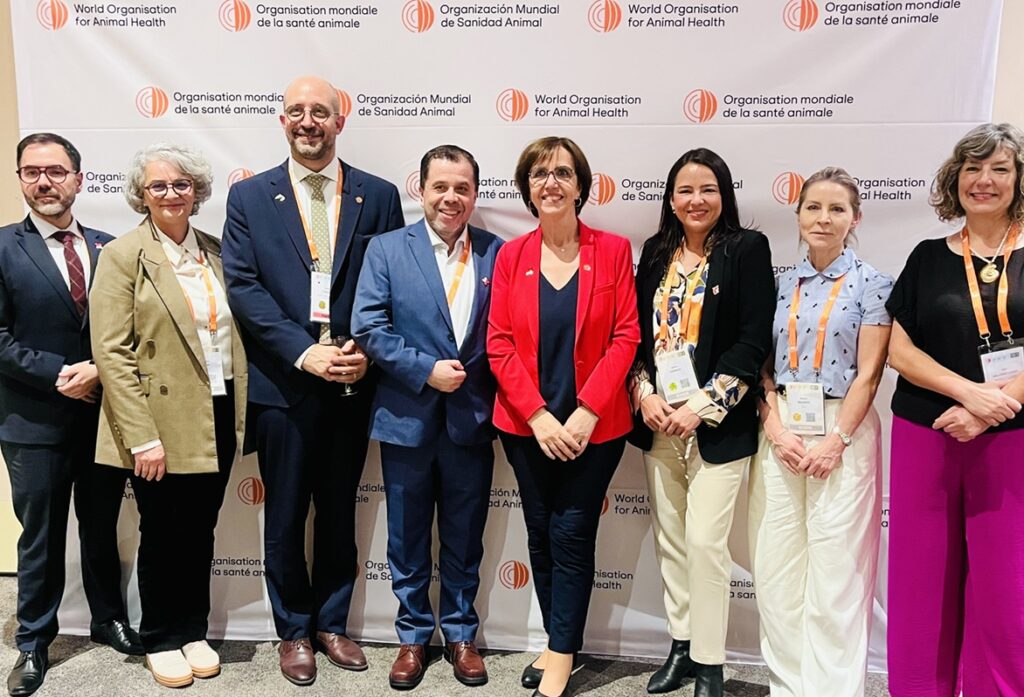
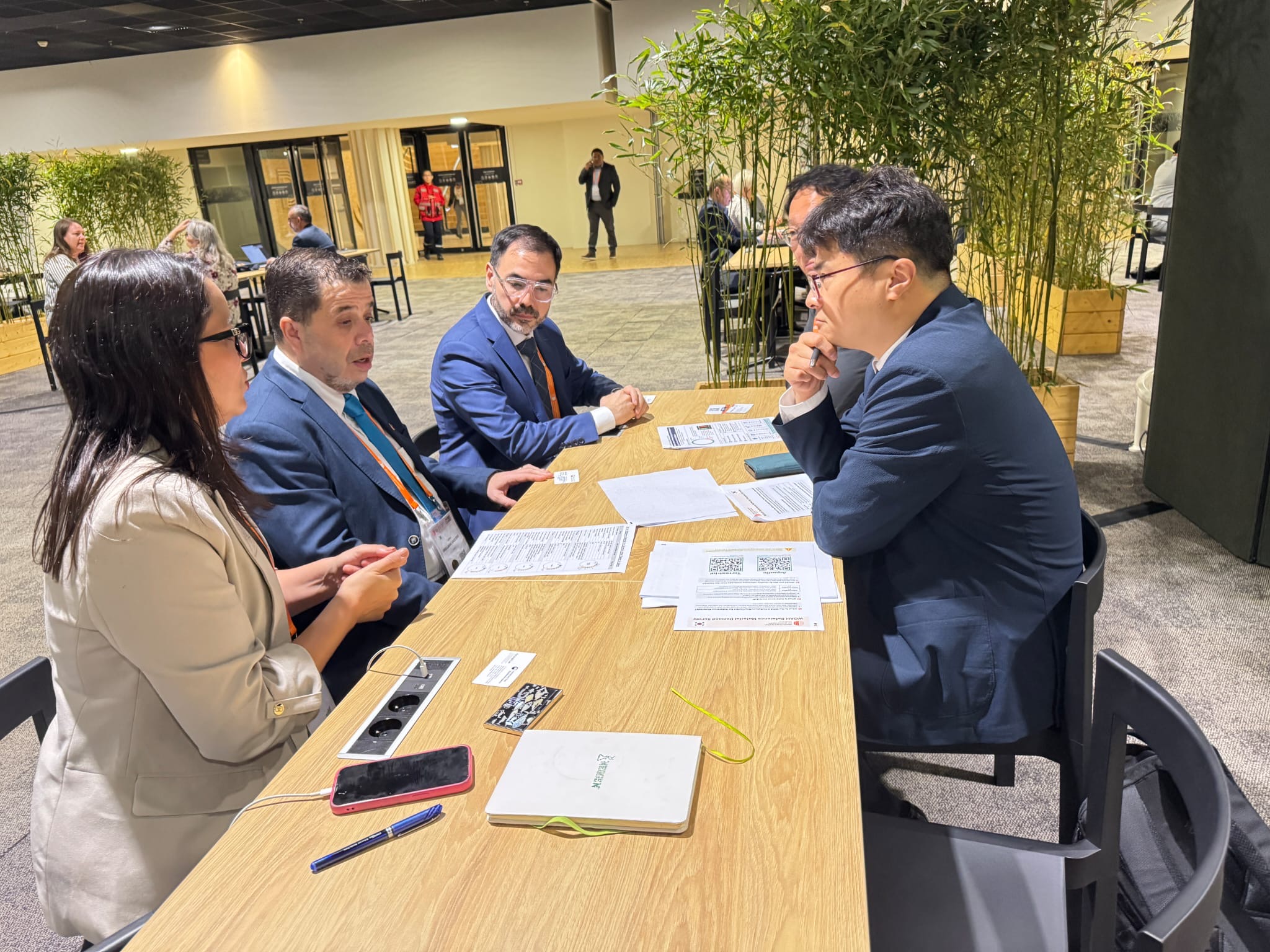
As members of the CASA Collaborating Centre, Dr. Cornejo and Dr. Gallardo participated in various bilateral meetings, along with delegates from Chile and the regional representative of OMSA for the Americas, Dr. Francisco D’Alessio. They were also present at the "Americas Stand", a technical exchange space where the work that Chile is promoting in applied research, health management and strengthening was presented. capacities for animal health
As a Collaborating Centre for the responsible management of antimicrobials, we reaffirm our commitment to supporting the implementation of these measures and promoting a more responsible and sustainable use of antimicrobials. This should be developed under a collaborative approach, integrating official services, academia and industry experts, with the aim of strengthening public-private collaboration and moving towards systems more sustainable food", concluded Dr. Cornejo, thanking for the space provided to show the advances of the work, identify new possibilities for collaboration and expand the reach of the network.
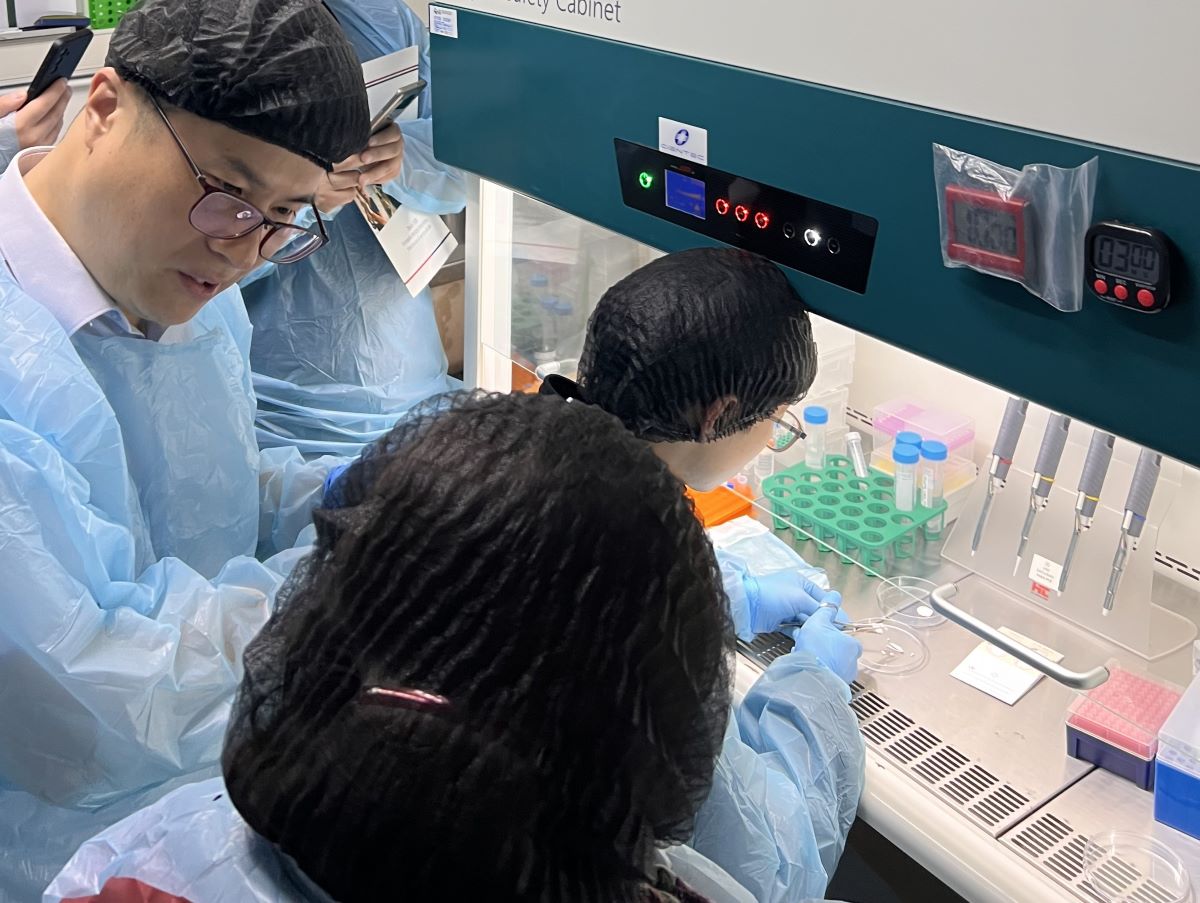
The CASA reaches this stage after signing an important strategic alliance with the Center for Reference Materials for Molecular Diagnostic Techniques in Aquatic and Terrestrial Animal Diseases of the National Institute of Fisheries Sciences (NIFS), affiliated with the Ministry of Oceans and Fisheries of South Korea, a prosperous collaboration that allows the transfer of scientific and technical technology internationally with the support from the public and private sectors.
The Chilean delegation was also composed of Carlos Orellana, head of the delegation, and Esteban Canales, from the Agricultural and Livestock Service (SAG); Mónica Rojas, deputy director of Aquaculture of the National Fisheries and Aquaculture Service (Sernapesca); Marcela Delgado, CEO of SUDVET; and Rodrigo Castañón, general manager of ChileCarne.