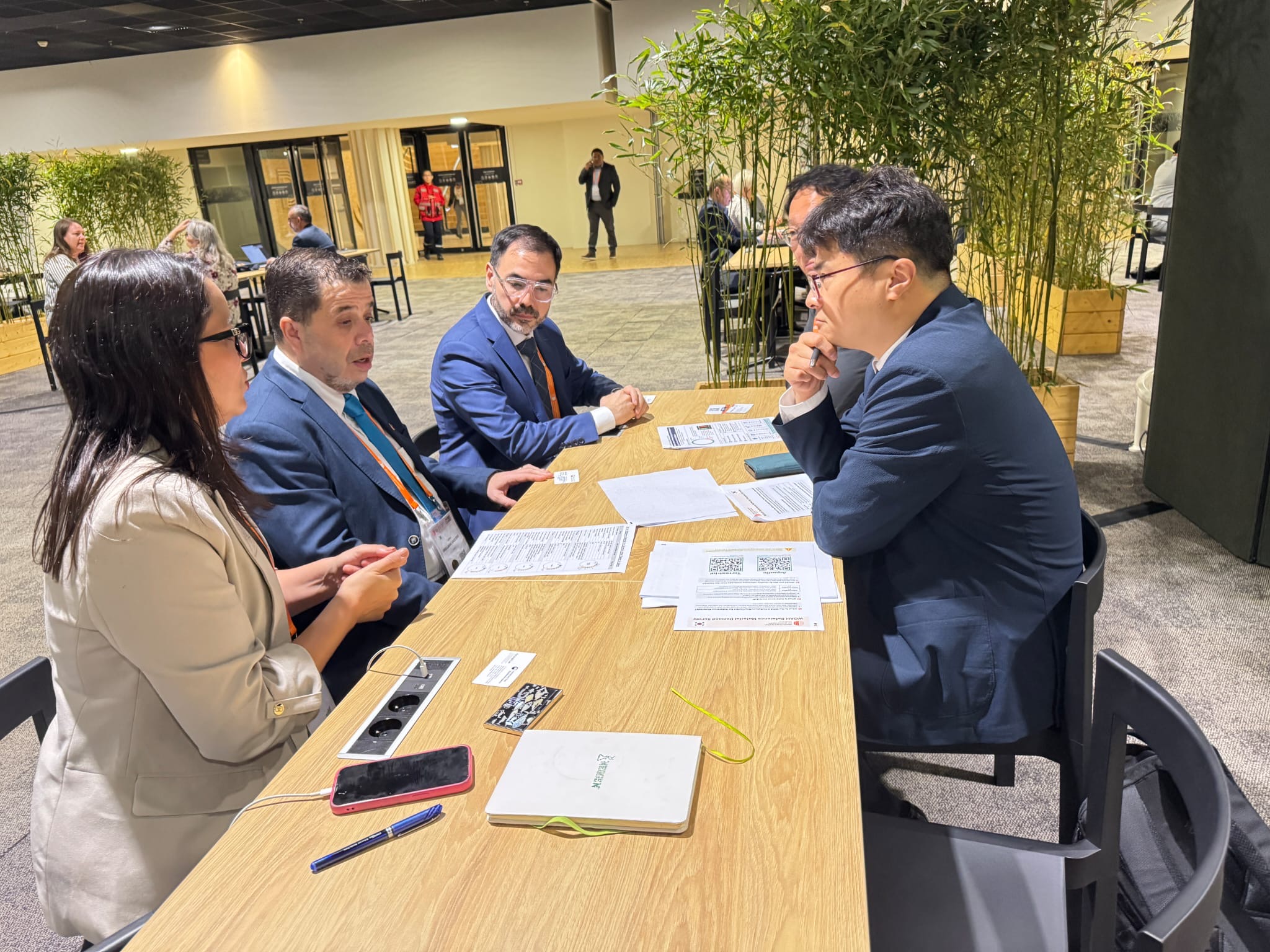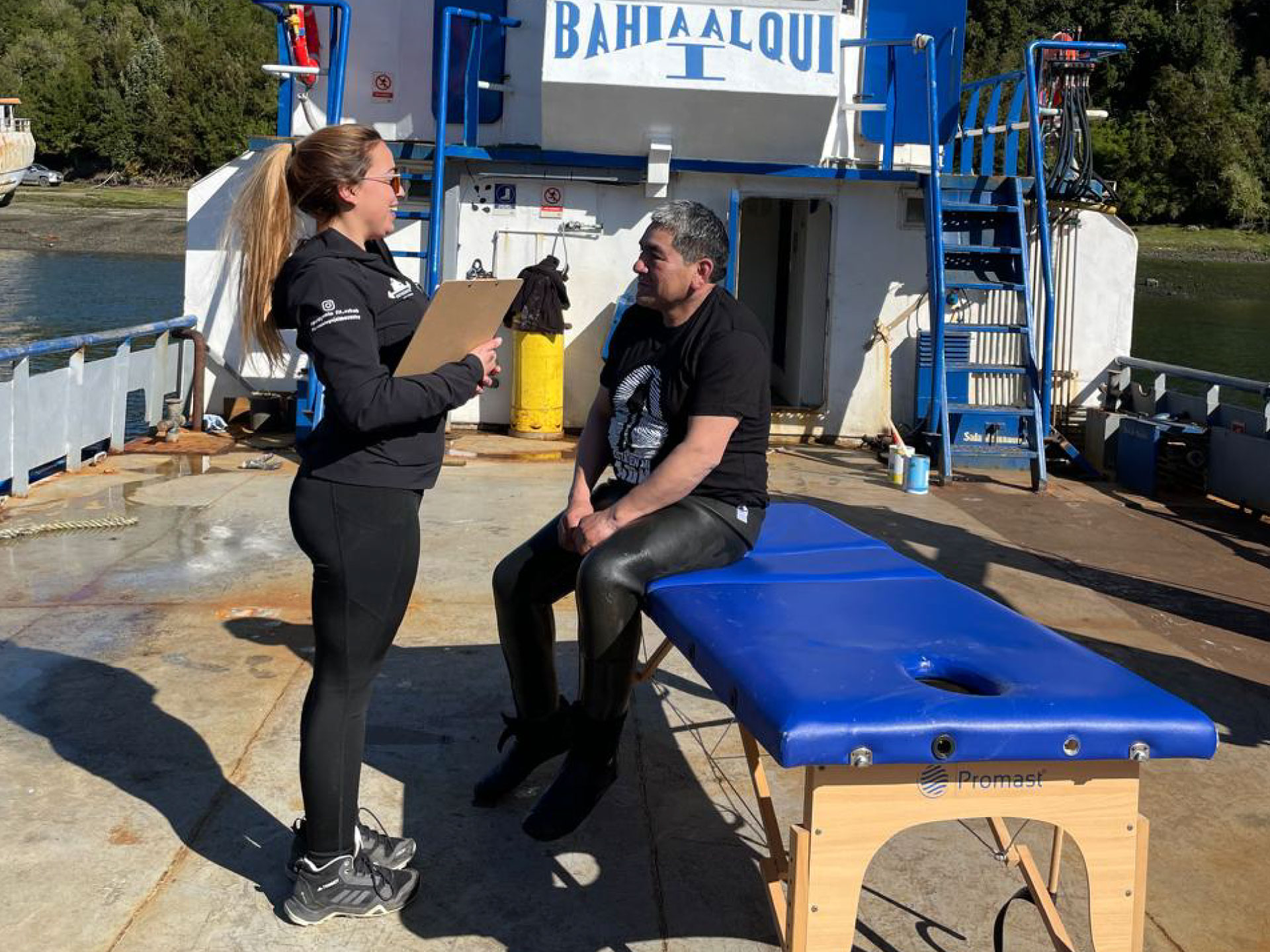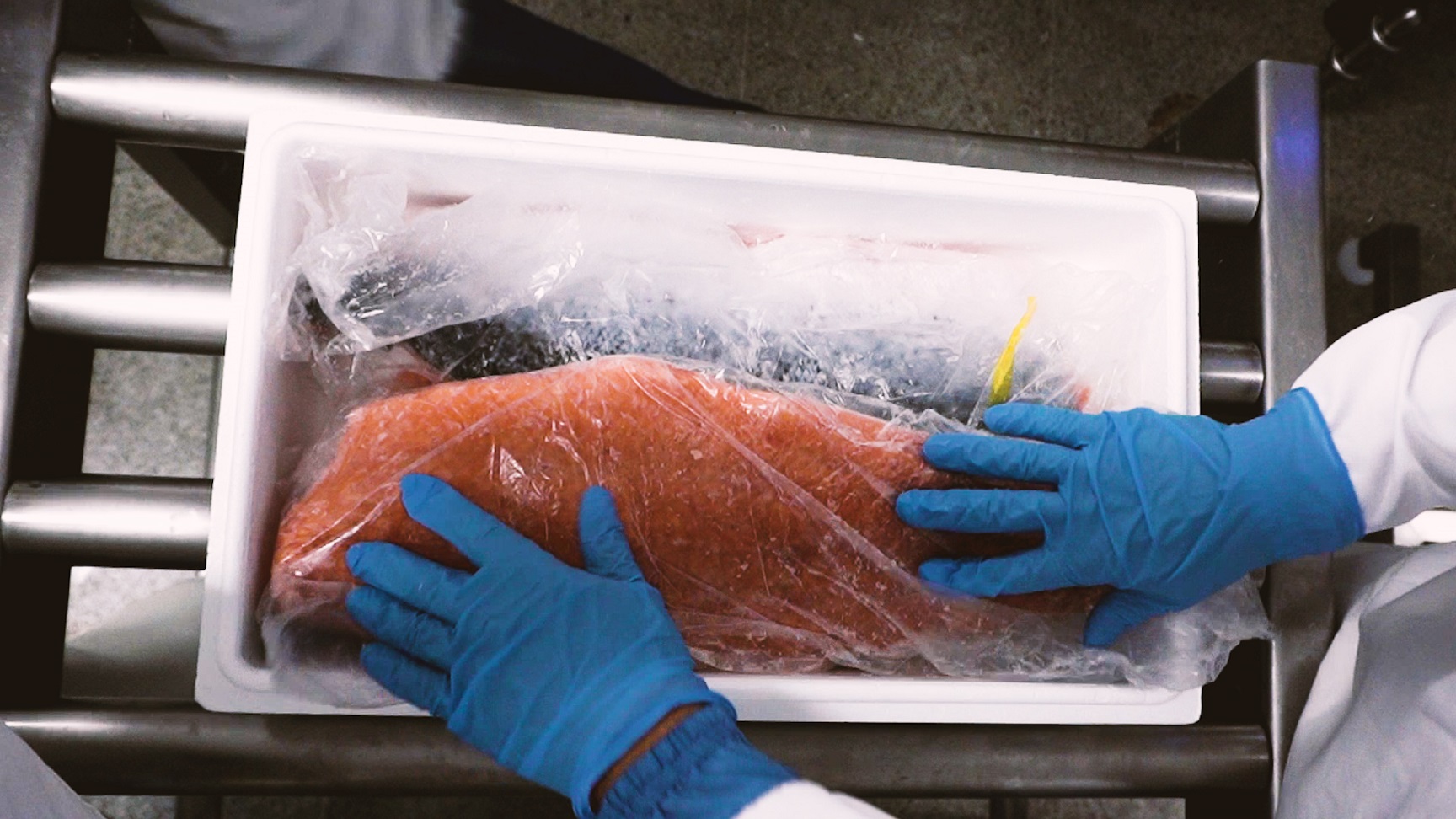
The course is part of the coordination between collaborating centers of the World Organisation for Animal Health (WOAH), highlighting the link between CASA and the NIFS reference center in South Korea.
Within the framework of the official visit of the delegation from the National Institute of Fisheries Science (NIFS) of South Korea, the Center for Antimicrobial Stewardship in Aquaculture (CASA) led the organization of the international training course "Diagnosis of WOAH-Listed Diseases with Emphasis on Viral Hemorrhagic Septicemia (VHS) and the Use of Standard Materials for Genetic Diagnosis", an initiative aimed at strengthening capacities in aquatic animal disease diagnosis
The event, held in the premises of the Faculty of Veterinary and Animal Sciences (Favet) of the University of Chile, brought together national and international specialists around the surveillance, diagnosis and standardization of methodologies for high-impact diseases in aquaculture.
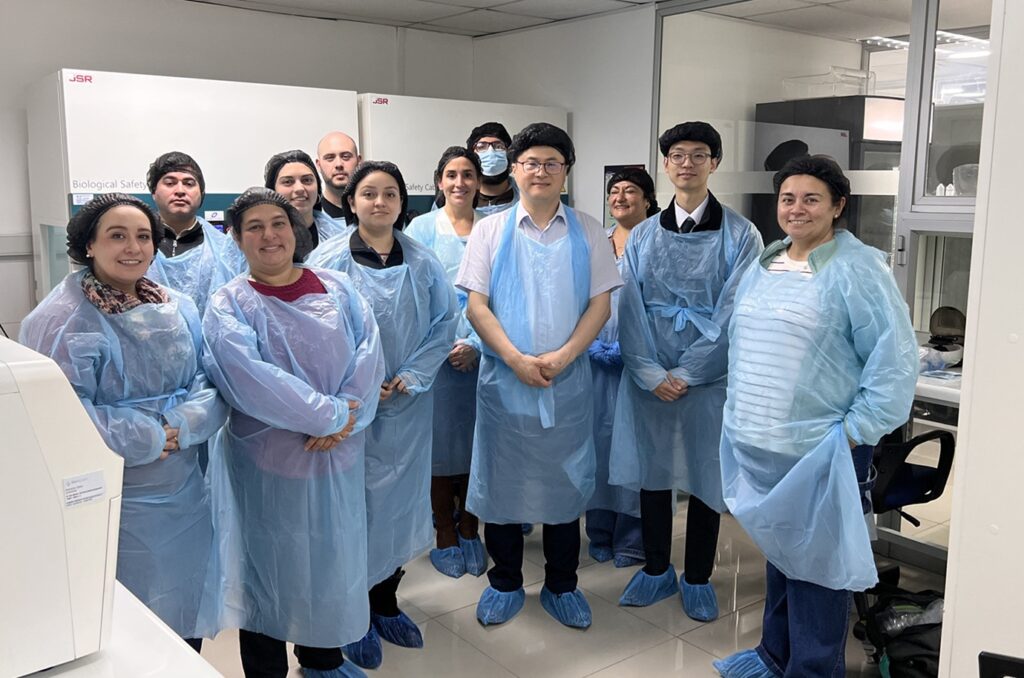
The course is part of the coordination between collaborating centers of the World Organisation for Animal Health (WOAH), highlighting the link between CASA and the NIFS reference center in South Korea, focused on reference materials for molecular diagnosis of aquatic and terrestrial animal diseases.
During the sessions, theoretical and practical content related to the diagnosis of Viral Hemorrhagic Septicemia (VHS), a disease listed by OMSA, was addressed, as well as the use of standardized materials to improve the accuracy and harmonization of diagnostic results at an international level.
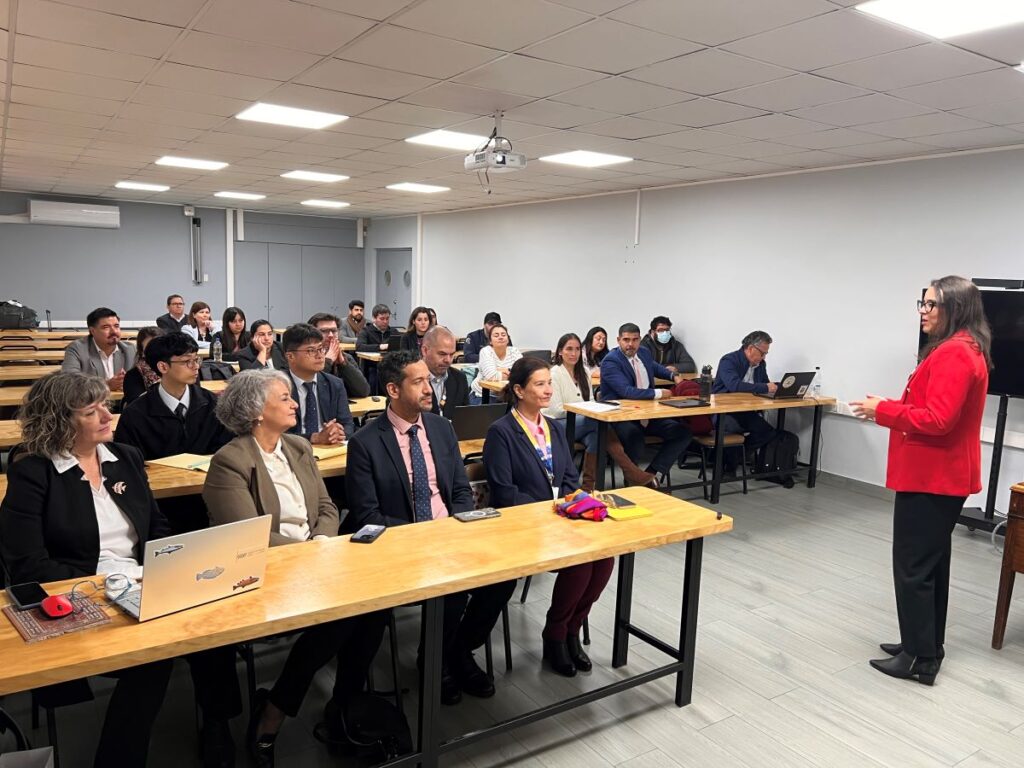
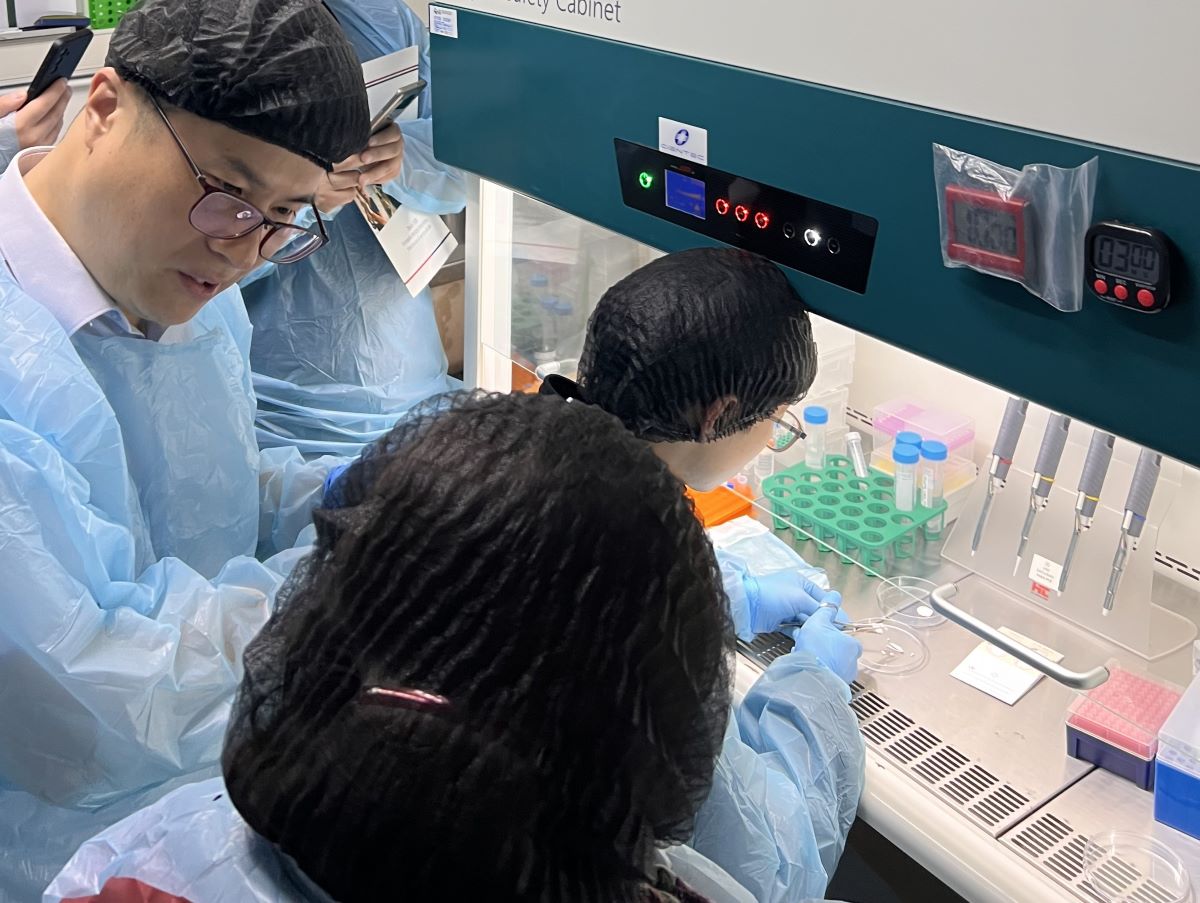
The program included presentations by experts and practical laboratory sessions, where viral RNA extraction, conventional and real-time PCR techniques, result analysis and strategies to minimize diagnostic errors were worked on. These activities were carried out in conjunction with teams from NIFS and national professionals, promoting technical exchange and harmonization of methodologies.
Also, the course was attended by representatives from the National Service of Fisheries and Aquaculture (SERNAPESCA), who presented the disease surveillance system in Chile, along with academics and specialists from the university sector.
The holding of this training session reinforces the role of CASA as a Collaborating Center of OMSA, contributing to the development of capacities in the Americas region and promoting the use of diagnostic tools based on international standards.
Moreover, this initiative strengthens scientific and technical collaboration between Chile and South Korea, laying the foundations for future lines of joint work in diagnosis, surveillance and control of aquatic diseases, in line with global animal health challenges and sustainability of the aquaculture sector.