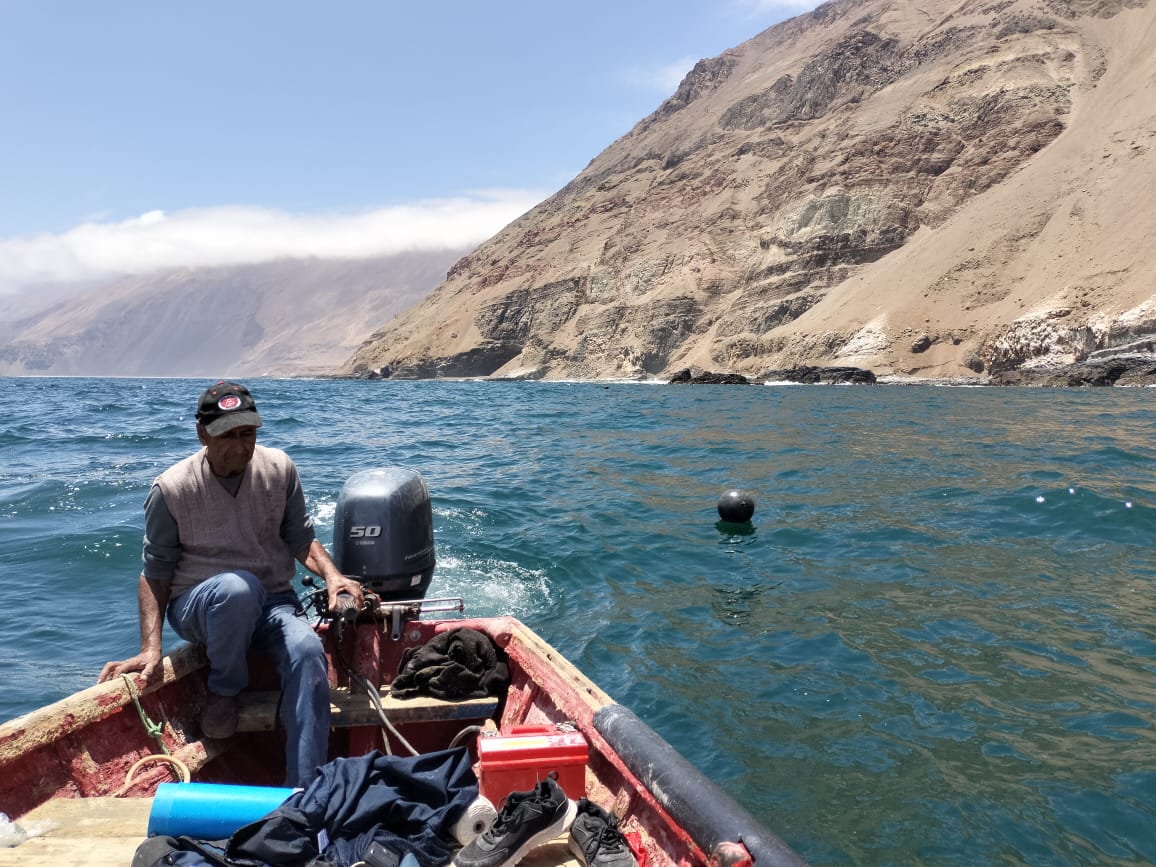
The aim of the study, led by the Aquaculture Technology Innovation Center AquaPacífico, is to identify areas for collection of shellfish seed of aquacultural interest in the northern end of the country.
The Aquapacific Aquaculture Technology Centre currently developing the project "Study for the identification of collection areas for seed collection in the Arica-Parinacota and Tarapacá regions" (FIPA 202503), an initiative mandated and funded by the Subsecretariat of Fisheries and Aquaculture (Subpesca) whose objective is to identify mollusc seed collection areas of aquacultural interest in the northern end of the country, within the framework of the implementation of Law 21.183.
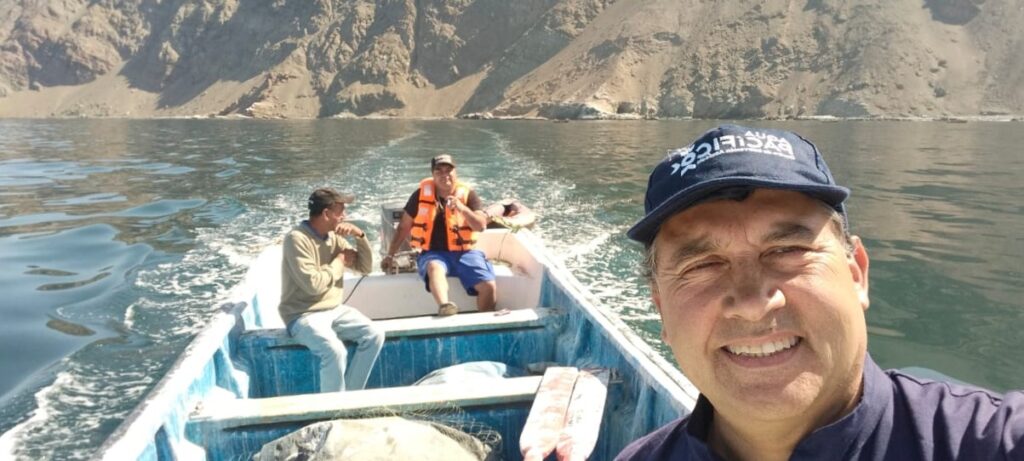
The 15-month study represents a milestone for both regions, where there is currently no consolidated aquaculture activity, despite occasional experiences with mussels and oysters. The results will help guide strategic decisions to evaluate the potential of promoting, in the future, cultivation of local species such as choro zapato and cholga, taking as a reference natural collection models and seed production already applied in the north of the country.
From the sea to the laboratory: 9 months of fieldwork and intensive analysis
"For the development of this project, AquaPacífico brought together a multidisciplinary team of experts that includes field and laboratory sampling to analyze the marine ecosystem of the North. Thus, we managed to explain the behavior of key organisms and precisely defined the optimal areas for seed collection," explains the project director and Business and TT Coordinator of AquaPacífico, Daniel Arriagada.
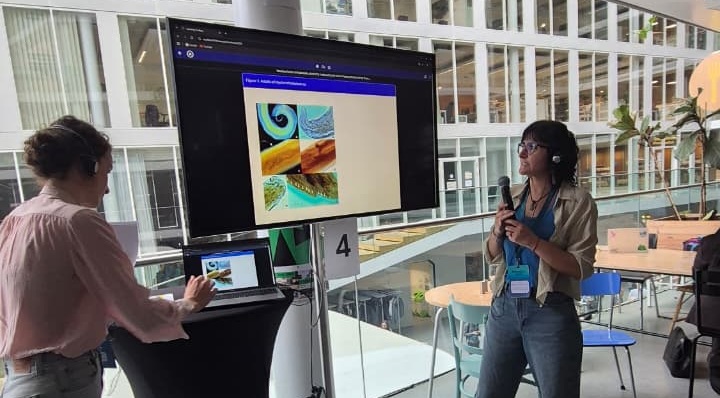
In turn, the center's scientific advisor, Carlos Merino, explains that the project involves "a large-scale operational effort, mainly focused on field work. This includes systematic sampling of zooplankton and the strategic installation of collectors along more than 400 kilometers of coastline. The samples, which are processed monthly, are analyzed rigorously to generate solid and accurate data to support decision-making" of decisions based on scientific evidence.
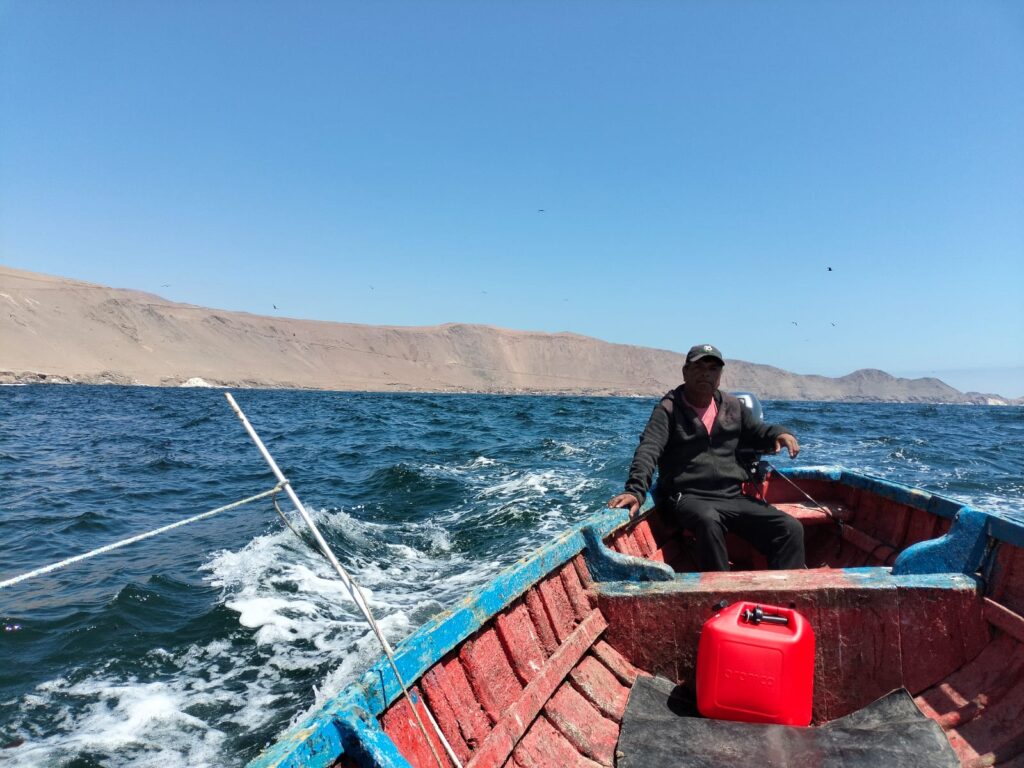
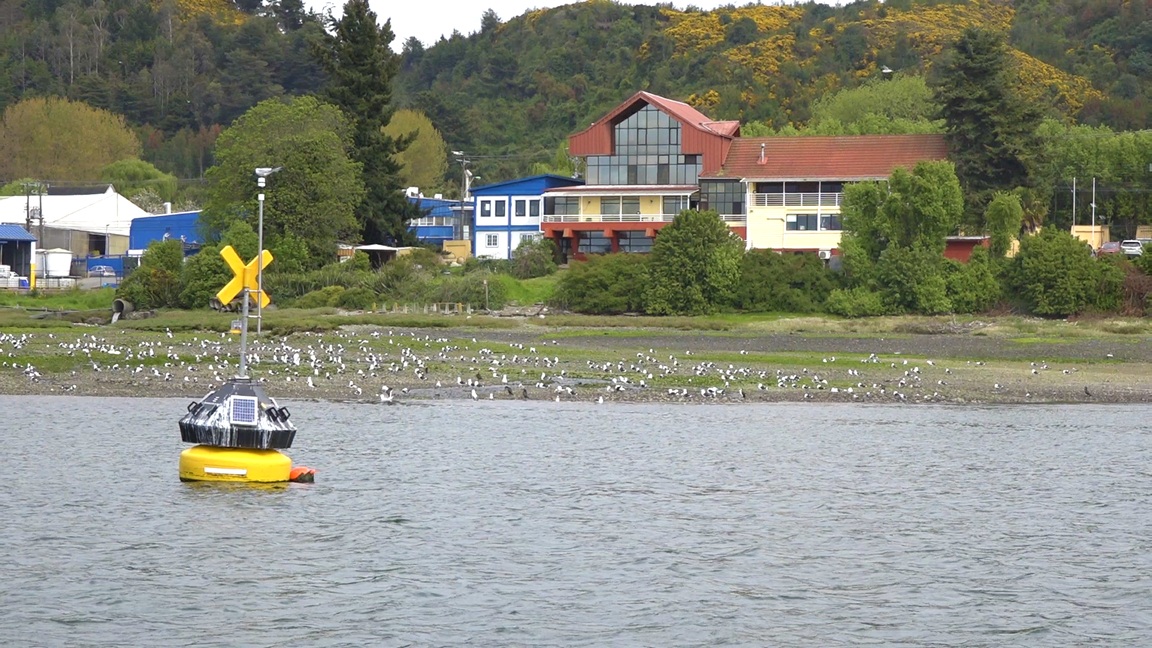
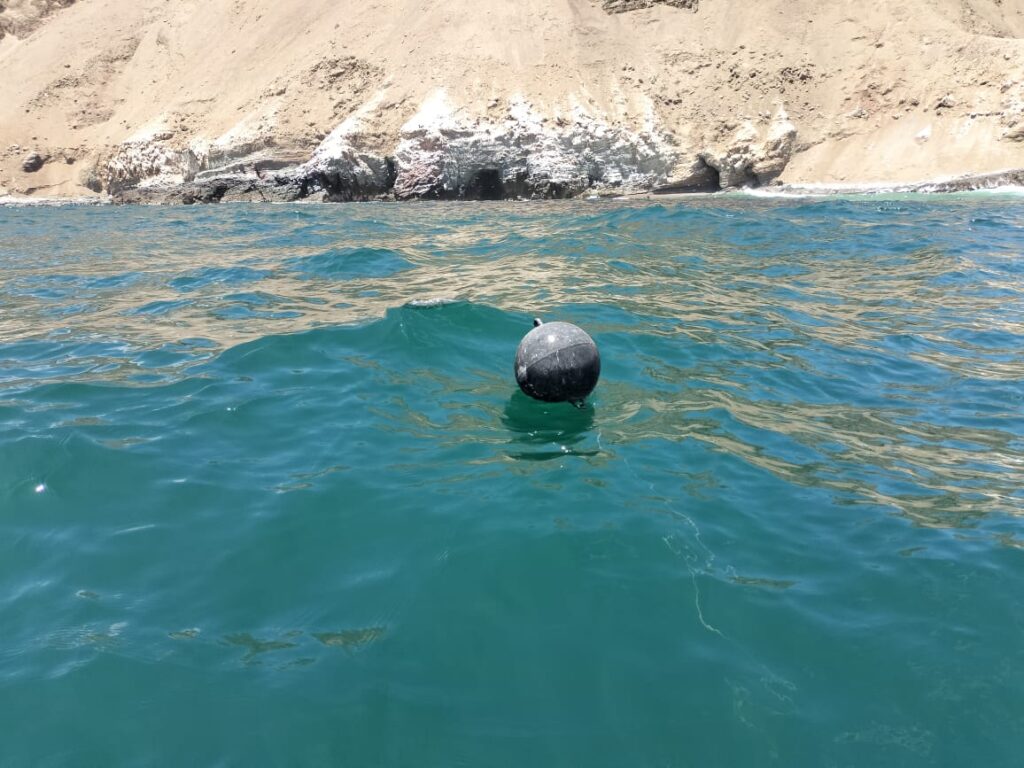
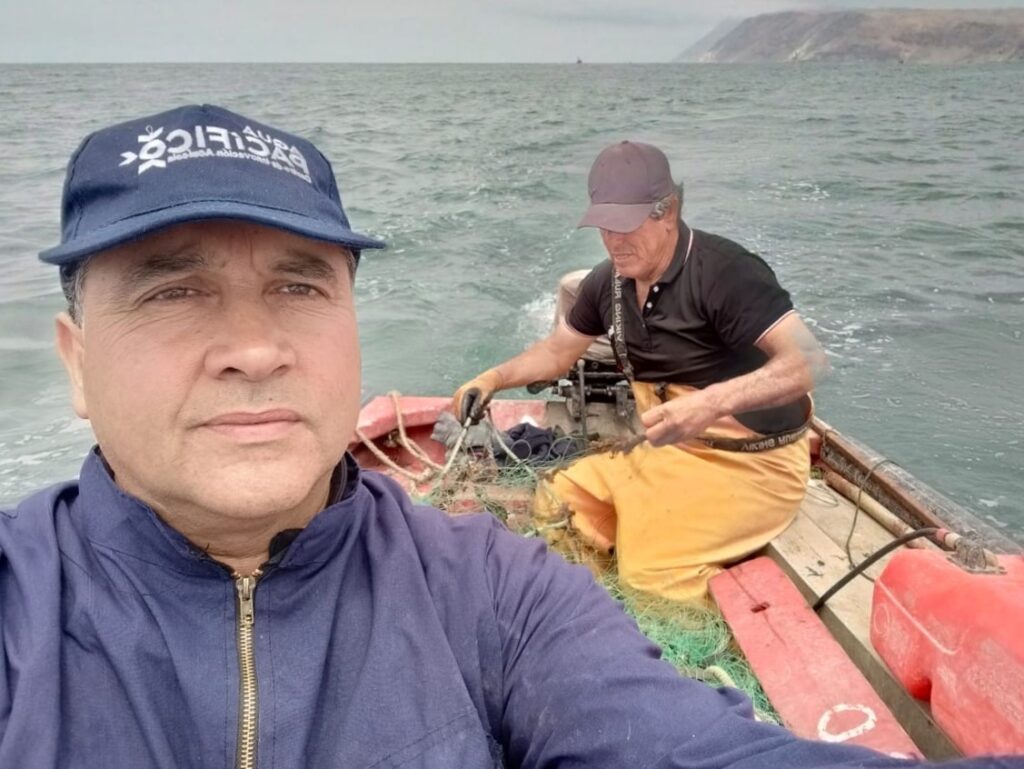
Each month, the team conducts sampling in four selected areas according to technical, logistical criteria and the knowledge of local fishermen. These are Black Arenillas and Caleta Camarones in Arica-Parinacota, and Pisagua and Caleta Cáñamo in Tarapacá. At each point collectors are installed capable of capturing larvae naturally. The collected material is analyzed by strata, adding more than a hundred samples processed monthly, together with those obtained from zooplankton trawls.
“We started with a technical pre-study and then validated the points through citizen consultation. Listening to communities was fundamental, because it is they who live together with the sea and know their behavior better,” explains Merino.
The samples processed are analyzed in laboratory by specialists of the AquaPacific Center: Francisca Cornejo, expert in zooplankton of bivalves, who evaluates the samples obtained by vertical trawl to characterize the abundance and larval composition; while Maria Gabriela Nieves, laboratory analyst, analyzes the material fixed in collectors to determine the rates of fixing by strata and the viability of the seeds.
To this is added an oceanographic evaluation by the AquaPacific professional, Ricardo Cunha, who will provide information on the physico-chemical conditions and marine dynamics in the sampling areas. It also includes a bathymetric description of each polygon under study, which will allow contextualization of depth and underwater morphology.
“This multifactorial approach ensures complementary data on planktonic dynamics, recruitment and marine environment, integrating field sampling with taxonomic, oceanographic and bathymetric analysis to validate optimal collection areas in North Grande,” says the director of the initiative.
Methodology compared to Southern models
As in the regions of Biobío and Los Lagos, where the natural collection of seeds has consolidated the ostiones and choritos industry through systematic monitoring of plankton and stratified collectors, this project replicates this validated methodology in North Grande.
The results generated — larval dynamics, fixation rates and oceanographic characterization — are positioned as key inputs to lay the scientific foundation for sustainable aquaculture in Arica-Parinacota and Tarapacá, adapting southern successes to local species such as choro shoe and holga.
These integrated data not only validate optimal collection polygons, but provide concrete tools for the design of regional hatcheries and production plans, replicating the southern model that transformed coastal economies through applied scientific evidence.
A strategic advance for the productive sovereignty of northern Chile
For AquaPacific, this project represents a milestone in the strengthening of scientific and technical capacities, enabling productive opportunities in regions historically neglected by consolidated aquaculture policies.
“If the results confirm significant availability of larvae, the north could replicate southern successes with sustainable choro shoe and cholga crops, diversifying the local economy and raising the resilience of coastal communities,” concludes scientific advisor Carlos Merino.