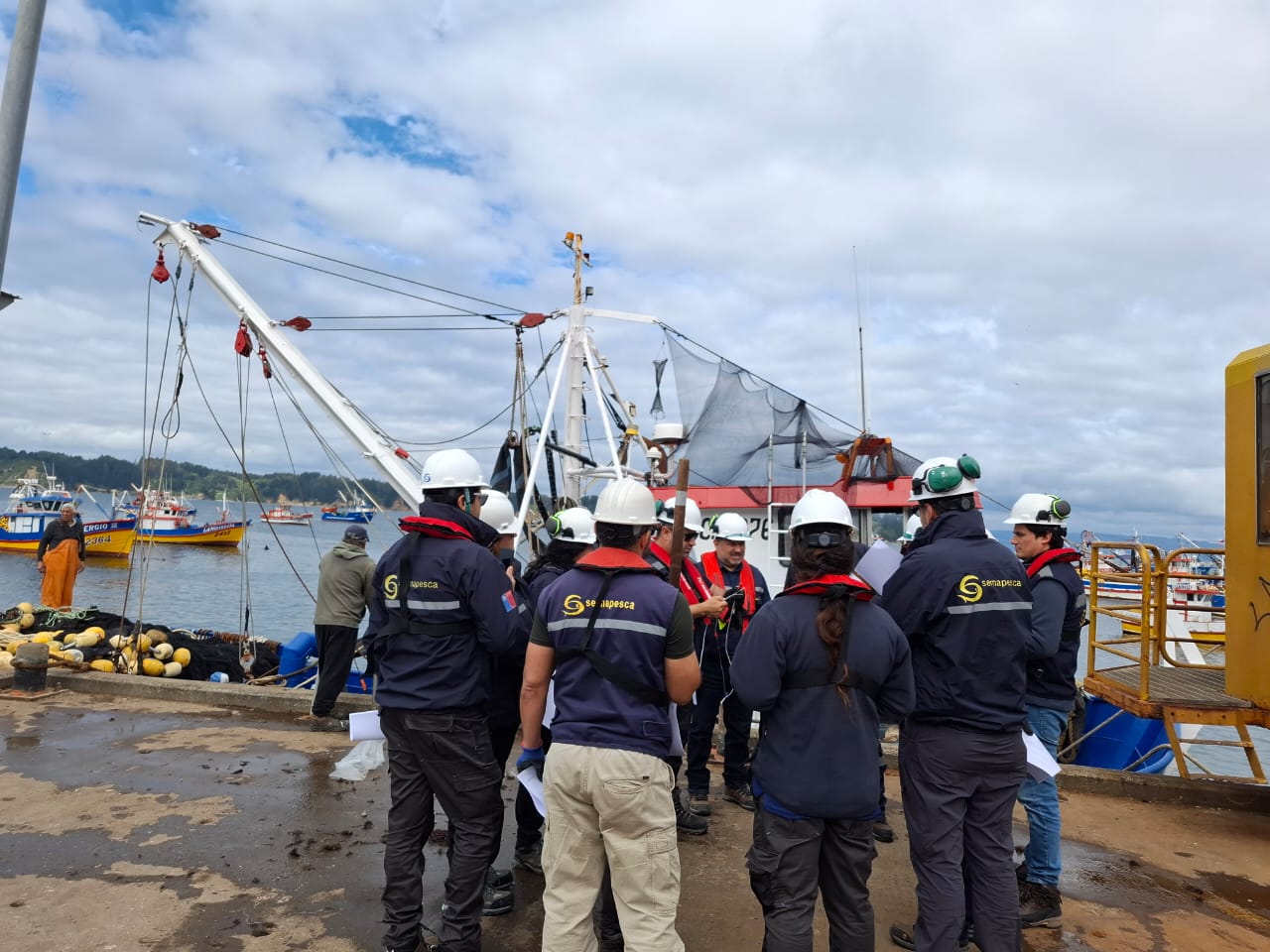
From AFUS they reiterated their call to the Government and those who aspire to govern, to give priority to strengthening Sernapesca and ensure that the new Fishing Law is applied in practice and not just on paper.
In the context of its 30th anniversary, the Association of Officials and Employees of the National Fisheries and Aquaculture Service, AFUS, expressed its concern and annoyance at the lack of clear proposals on fishing and aquaculture in the presidential campaigns, as well as the absence of progress by the current Government to ensure the effective implementation of the new Fishing Law.
During the last two years, AFUS has held about twenty meetings with Government authorities, in order to present the evident needs for institutional strengthening, proposing a formula for increasing tax collection, so that the supervisory work is at the level of the sector's demand. Despite this, there are no clear signs of political commitment to strengthen the National Service of Fisheries and Aquaculture.
"The weakening of Sernapesca not only affects our working conditions; it puts at risk the protection of marine resources and the sustainability of the activity. The absence of clear political definitions is not a technical omission: it is a sign of disinterest towards food sovereignty and the country's sustainability," said the national president of AFUS, César Acuña.
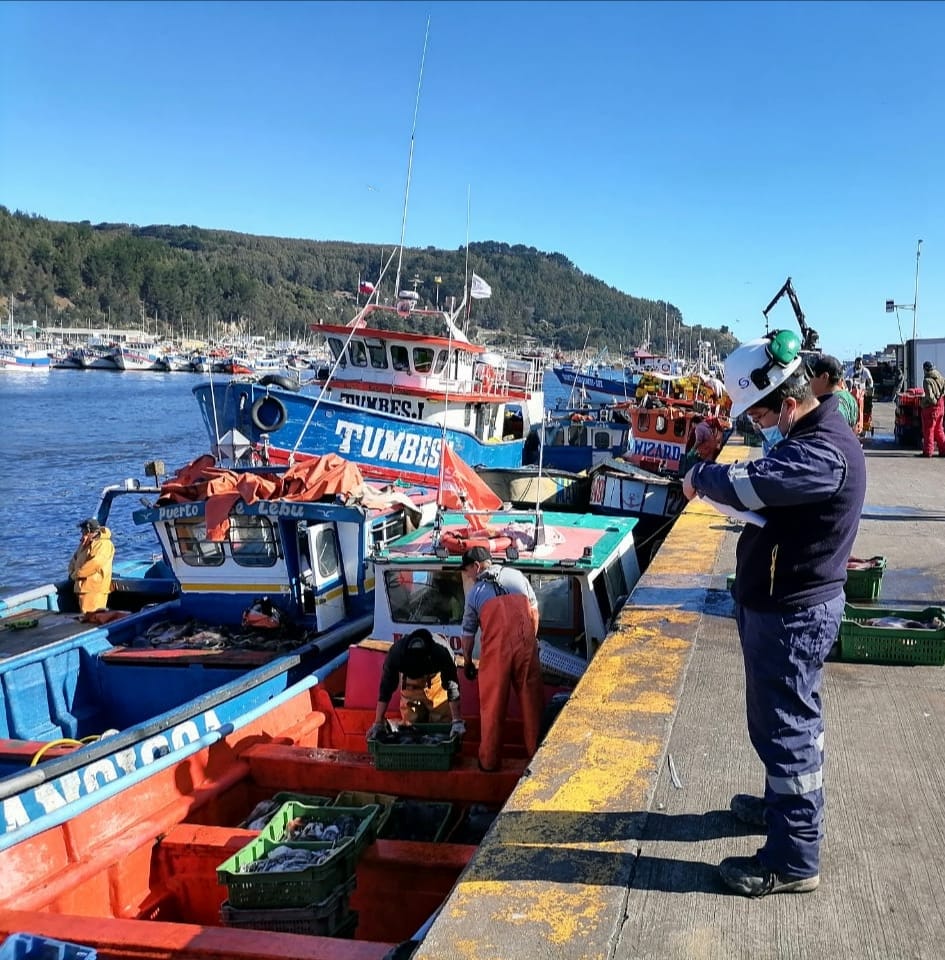
The figures are telling: the annual budget for control and surveillance represents just 0.6% of the revenue of the regulated industry. This translates into one inspector every 72 kilometers of coastline and less than two officials for each of the country's 585 fishing landing points.
Chile needs a fisheries and aquaculture policy in line with current challenges, stated the trade organization that celebrated 30 years in defending staff rights. From AFUS they reiterated their call to the Government and those who aspire to govern, to give priority to strengthening Sernapesca and ensure that the new Fisheries Law is applied in practice and not just on paper.
"Without sufficient resources, competent staff and technological tools, those who profit from illegal fishing will continue to be favored and the country's food security will be affected," said the national president of AFUS, César Acuña.