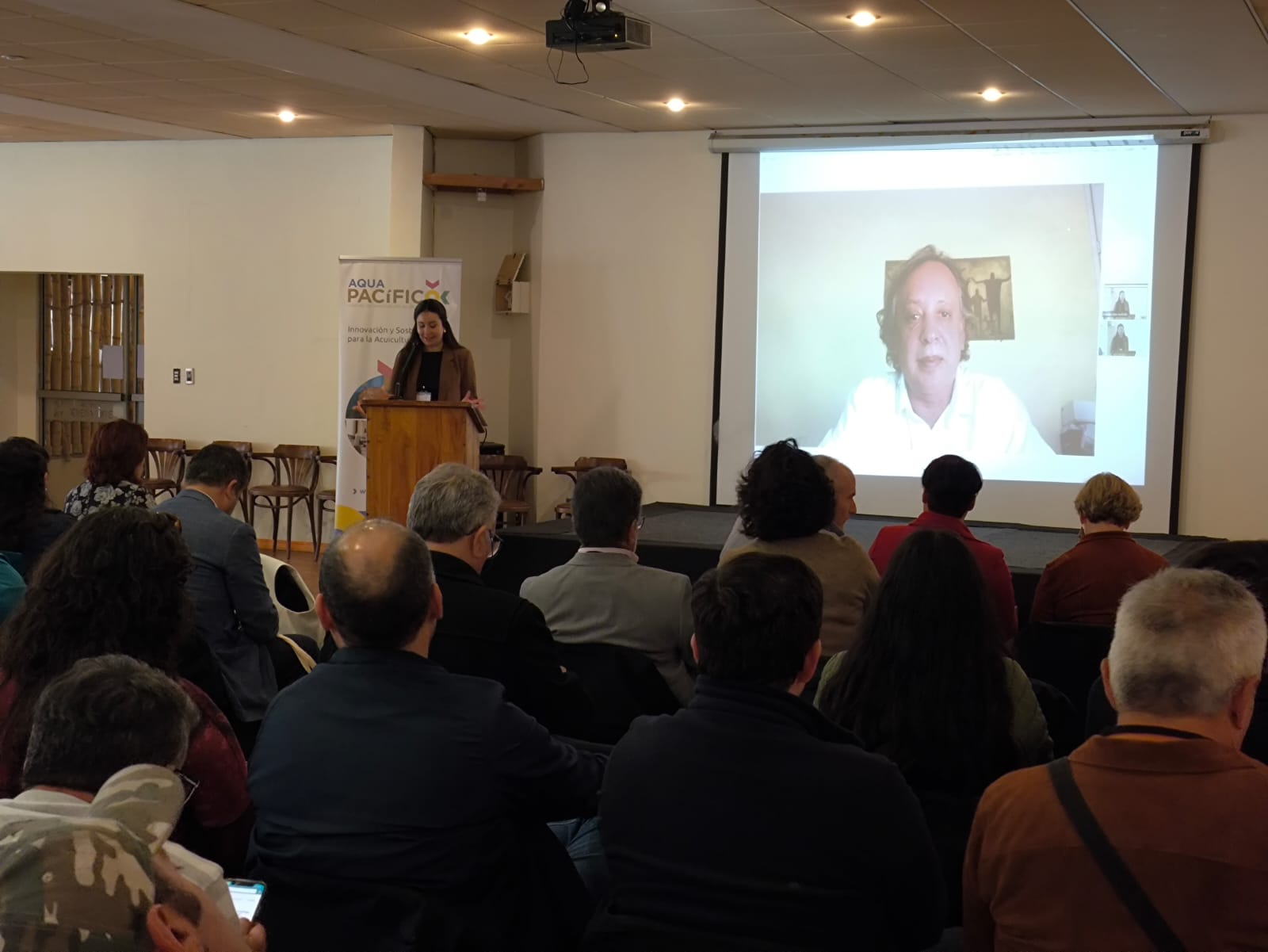
The event allowed the creation of a space for dialogue and collaboration around the sustainable development of aquaculture, addressing the main productive, technological and regulatory challenges for emerging species such as the Japanese oyster and the turbot.
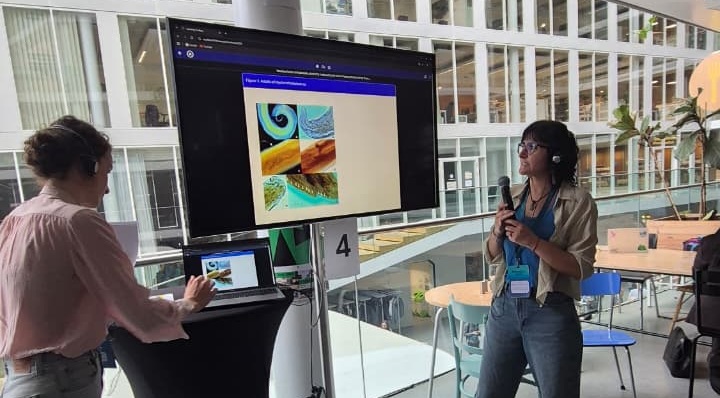
With the participation of prominent national and international representatives from the aquaculture sector, the AquaPacífico Aquaculture Innovation Center commemorated its 10 years of history with the International Seminar "Sustainable innovation for the challenges of emerging aquaculture in Chile", an event that attracted more than a hundred attendees in person and remotely.
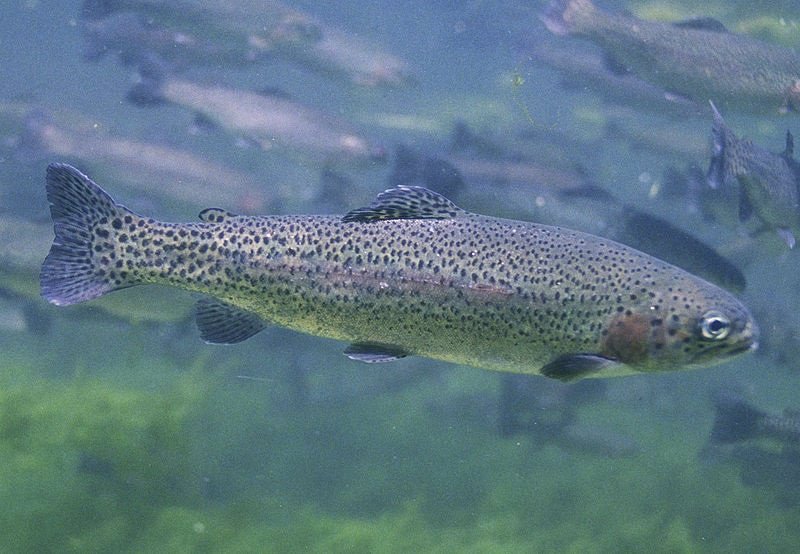
The meeting, held at the Hotel Serena Suite, provided a space for dialogue and collaboration regarding the sustainable development of aquaculture, addressing the main productive, technological and regulatory challenges for emerging species such as the Japanese oyster (Giant scallop) and the whiting (Seriola lalandi).
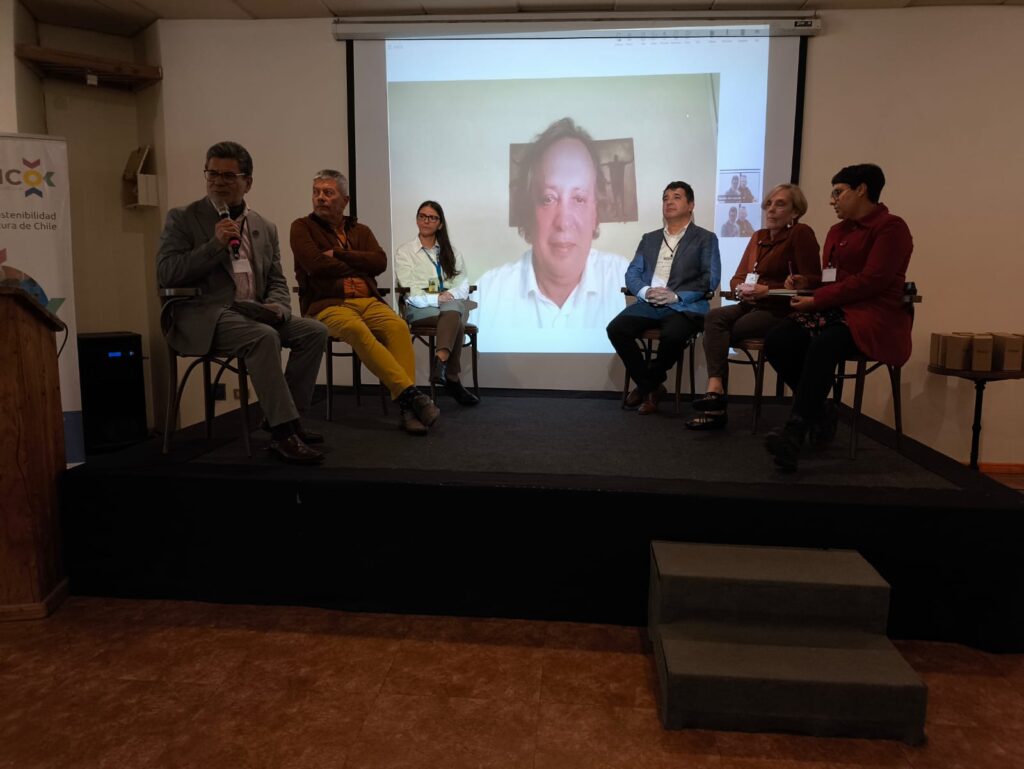
In our role as an orchestrator of the aquatic ecosystem, both at regional and national level, we are very pleased to have created this space for meeting and exchange of experiences around a topic as relevant as emerging aquaculture. Additionally, we wanted to highlight the importance of networks and collaborative work, which was reflected in the presence of top level speakers, both national and "International", highlighted Claudia Soto, executive director of AquaPacífico.
Among the international exhibitors was the participation of Jeanne McKnight, executive director of the Northwest Aquaculture Alliance (EE) and Bill Dewey, Director of Public Affairs, Taylor Shellfish Farms, who shared the experiences and learnings of North American industry in sustainability, innovation and competitiveness.
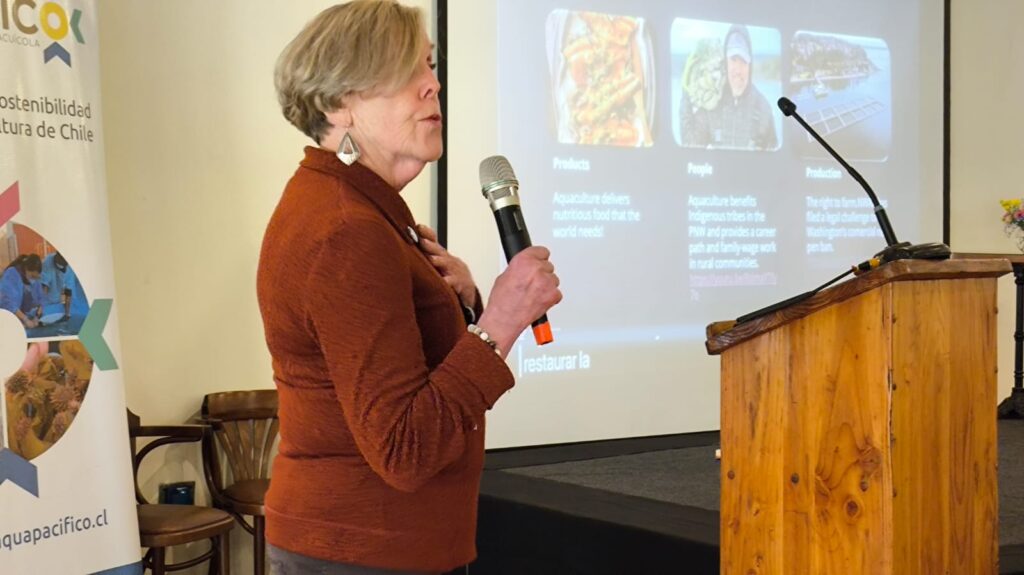
“What happens in meetings like this is not only a transfer of knowledge, but also an incredible development of relationships that allow us to work together to make aquaculture an ever better activity in the world,” said McKnight, who appreciated the opportunity to get to know the northern oyster crops in Tongoy Bay.
In the same vein, Dewey highlighted the importance of maintaining quality throughout the production chain and of betting on mollusc aquaculture that combines technology, sustainability and excellence in the final product.
From the national level, the seminar featured presentations by Meyling Tang, vice president of Fundación Cocinamar and partner of Tres Peces restaurant, who invited “reenchant Chile with its emerging aquaculture” through gastronomic initiatives that promote responsible consumption of seafood products. Dr. Pedro Toledo, academician at the Catholic University of the North; Dr. Katherine Alveal, researcher of AquaPacific; Dr. Jesús Antonio López, researcher UCN; Dr. David Ulloa, general manager of Imenco Aqua; and Alex Mancilla, CEO of Vamoza Noa Noa S.A. (Mexico).
They joined the conversation as moderators of the seminar Mg. Adolfo Alvial, Executive Director of the Aquaculture Innovation Club and Chairman of the Board of Aquaculture Innovation Alliance (AIA) and Mg. Antonio Vélez, Executive Director AVM and Pdte. of the Chilean Aquaculture Society, Chile.
Through various perspectives, experts agreed on the need to strengthen applied research, promote the circular economy in the use of by-products, integrate new recirculation technologies (RAS) and develop innovative nutritional strategies for high-value marine species.
The event not only demonstrated the interest of the national aquaculture ecosystem, but also the consolidation of AquaPacific as an articulator of knowledge, innovation and collaboration, committed to the sustainable development and productive diversification of the country.