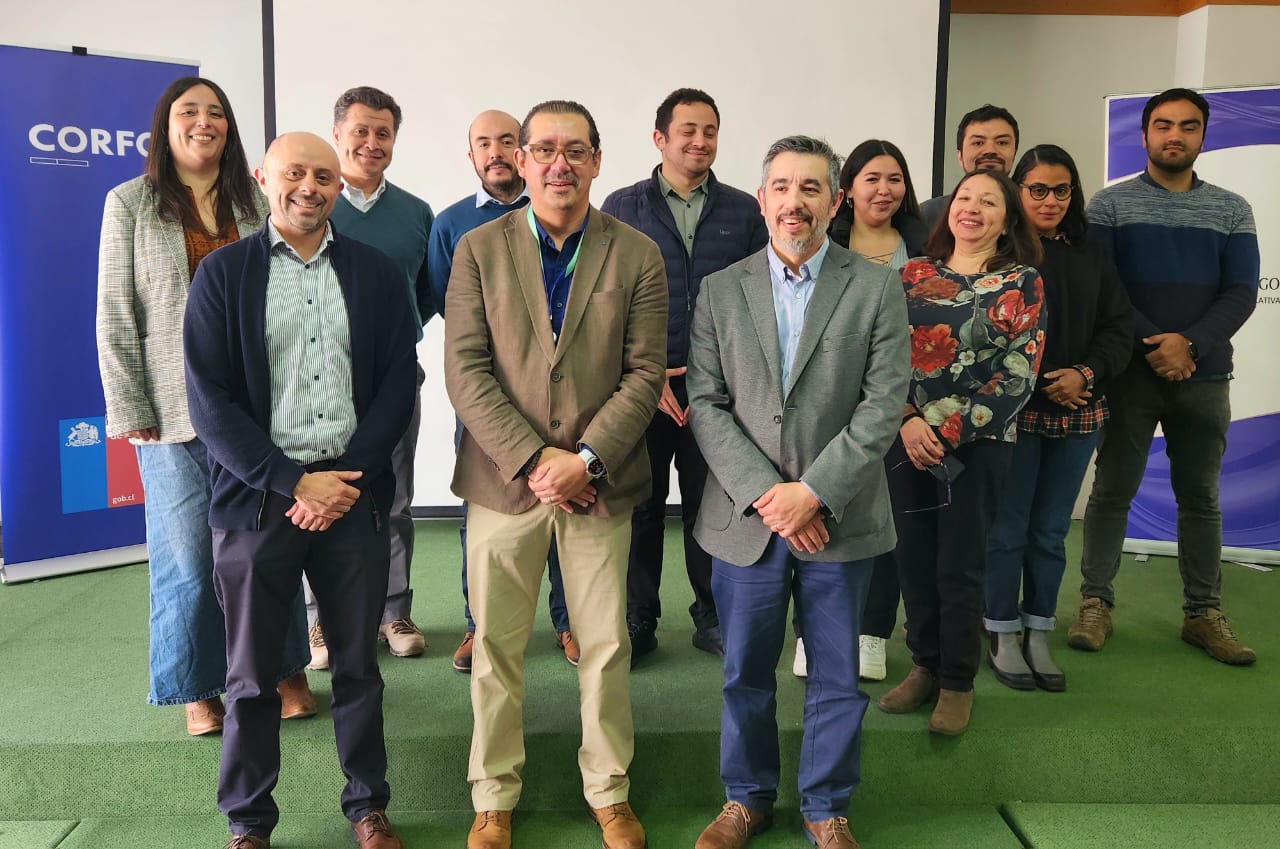
Study carried out through the CORFO project reveals a projection of the human capital gaps faced by the region on its way to adopting the 4.0 industry.
Within the framework of the closure of the PFC project of Corfo and the University of Los Lagos, which aimed to identify, quantify and project the human capital gaps necessary to strengthen competitiveness in the advanced manufacturing and Industry 4.0 sector, the results of this innovative study were presented. The initiative focused on determining human capital needs in the areas of employment and training in key sectors such as aquaculture (salmon farming and mussel farming), agroforestry (forestry, agricultural and livestock), tourism, construction and maritime industry.
Through surveys of 52 companies in the region, mainly large and medium-sized ones, and interviews with experts from the prioritized sectors, the study revealed important findings:
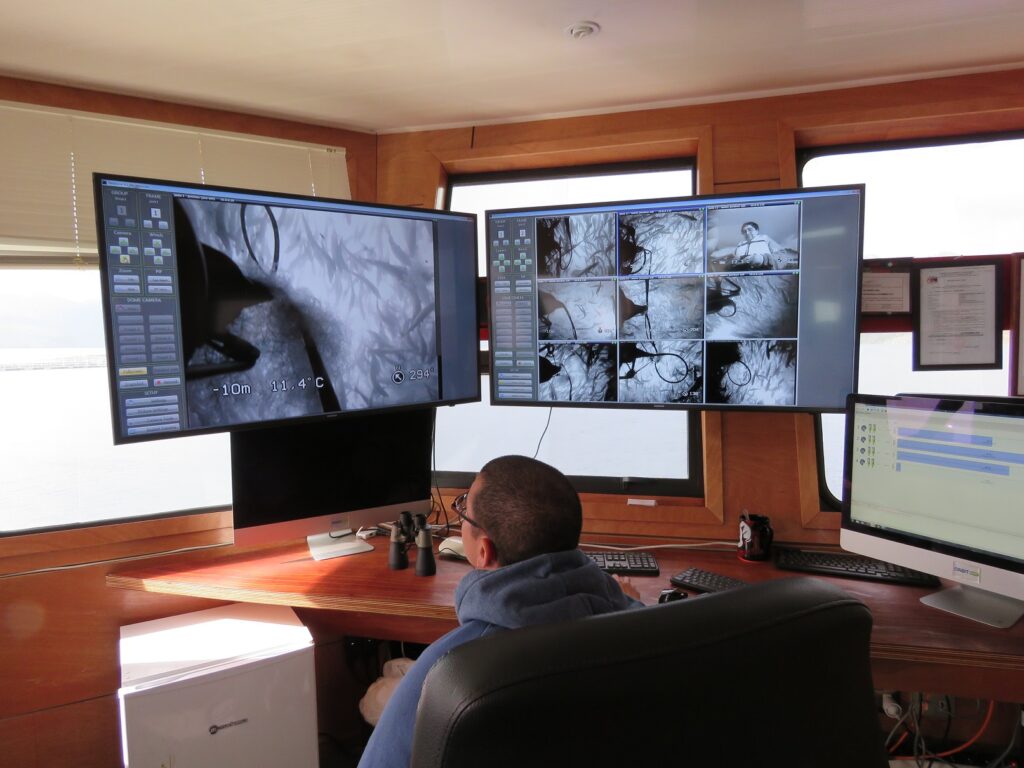
- Adoption of 4.0 technologies: The aquaculture and agroforestry sectors lead in the implementation of technologies such as integration systems, robotics and process automation. On the contrary, tourism and the maritime shipping industry show a lag, especially tourism, where significant gaps were detected in the application of these technologies.
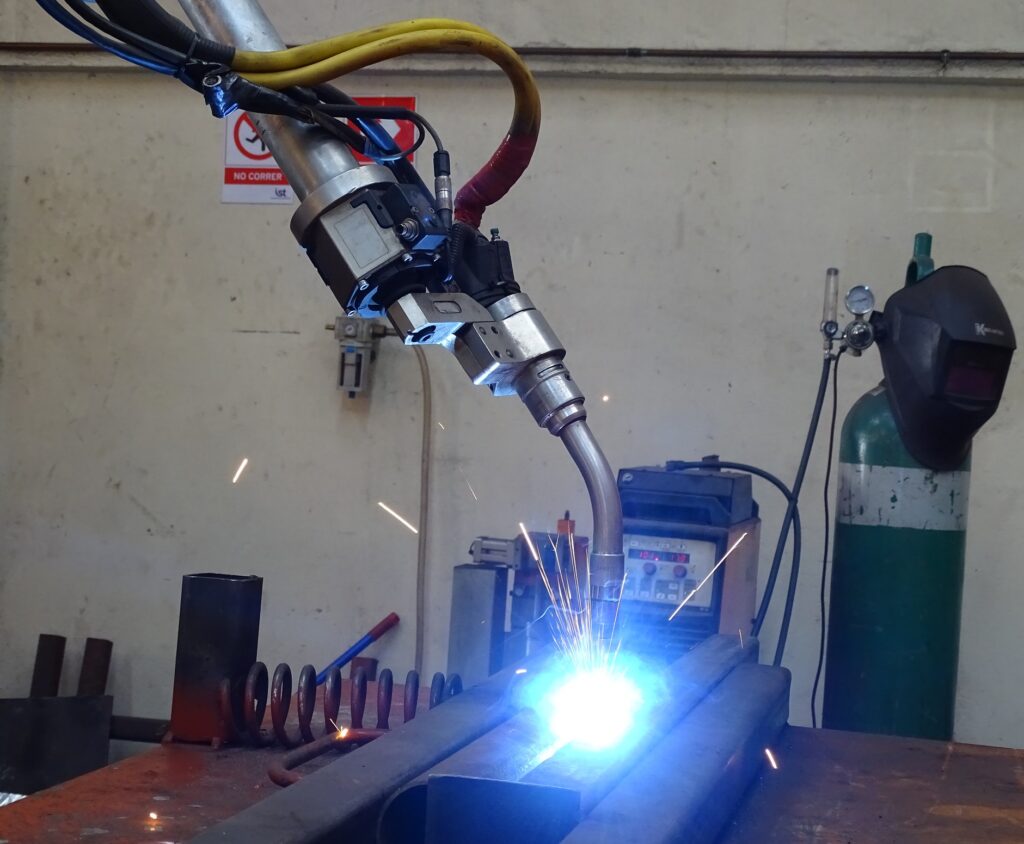
- Training in key technologies: The technologies with the greatest current and future application include integration software for enterprise and logistics planning, robotics in primary processes and manufacturing, as well as advanced systems such as Building Information Modeling (BIM). The need for training in the use of drones and technologies applied to strategic planning was also identified, particularly in tourism.
- Impact on employment: The study points out that the greatest job opportunities are in professional and technical profiles, which represent 67% of the mentions as priorities for training. However, routine and low-specialization activities face the greatest risks due to automation.
- Cross-cutting challenges: In addition to technical skills, the need was identified to strengthen basic digitalization skills, data analysis, interpretation of artificial intelligence and cross-cutting skills to facilitate adaptation to technological changes.
The academic from the Department of Administrative and Economic Sciences at the University of Los Lagos and head of the project, Claudio Mancilla, highlighted the key findings and the opportunities identified to face the industry's challenges in the region. «Today we see an important incorporation of technologies in sectors such as forestry, aquaculture and the silvoagricultural area, but with significant gaps compared to other sectors such as tourism, maritime, shipping and construction. This shows that there is still an important path to travel in terms of technological diversification., noted Mancilla.
Another relevant finding points to the opportunities and risks in the labor market: Technical and professional jobs offer greater opportunities in the face of this technological transformation. However, low-skilled, more routine jobs face and will face the greatest employment risks in the future., added.
David Espinoza, regional deputy director of Corfo Los Lagos explained that "this study, developed within the framework of a Corfo Competence Development Program, provides us with key information to address human capital gaps in the Los Lagos Region. The results not only highlight the importance of incorporating advanced technologies in various productive sectors, but also the need to strengthen training in technical, digital and soft skills. It is fundamental that we work on set with other institutions and the entire training ecosystem such as SENCE, the Ministry of Education and other organizations such as ChileValora to turn these challenges into concrete opportunities for the companies and workers of our region" pointed out.
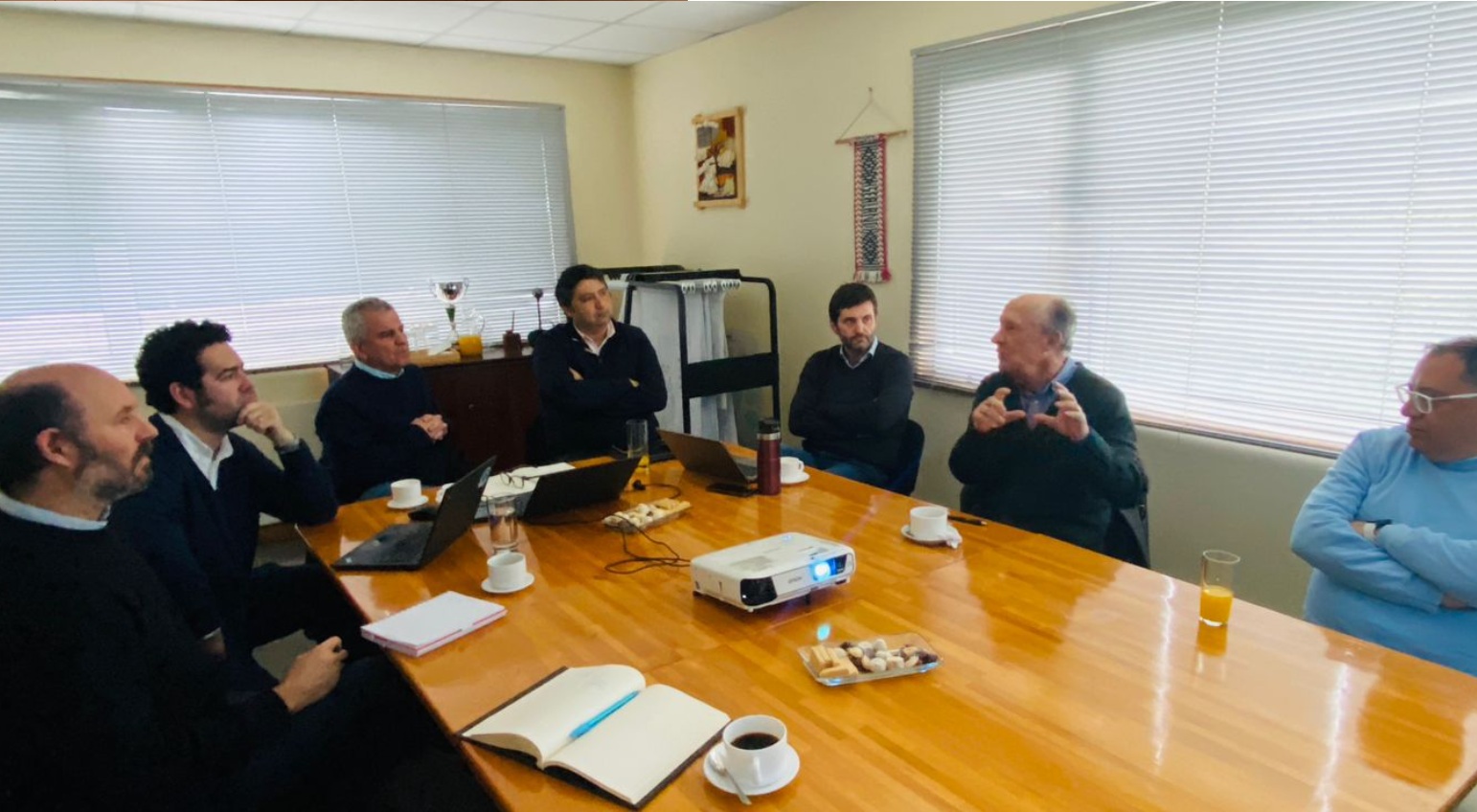
Results delivery activity
During the closing activity of the project, these conclusions were presented along with a projection of the human capital gaps faced by the region on its way towards the adoption of Industry 4.0. This work will contribute to defining training and education strategies aligned with the current and future needs of the priority productive sectors.
Edgardo González Sierra, Deputy Director of Engagement with the Environment ULagos, Puerto Montt Campus «For the University of Los Lagos, this study is a fundamental tool to identify the needs of the territory and project the challenges towards 2030, 2040 and even 2050, as in the case of the circular economy. This allows us to align our training with the requirements of advanced production systems, strengthening the qualification and training of professionals and technicians to face the demands of manufacturing. 4.0. It is key that our curricula reflect these needs, incorporating technological, conceptual and attitudinal competences that prepare our students for a constantly changing global world. This commitment not only drives regional development, but also contributes to the country's growth. supported.
The event highlighted the importance of strengthening collaboration between companies, educational institutions and the public sector to address the identified challenges and ensure that the Los Lagos Region continues to advance in the adoption of advanced technologies and the development of competitive skills.