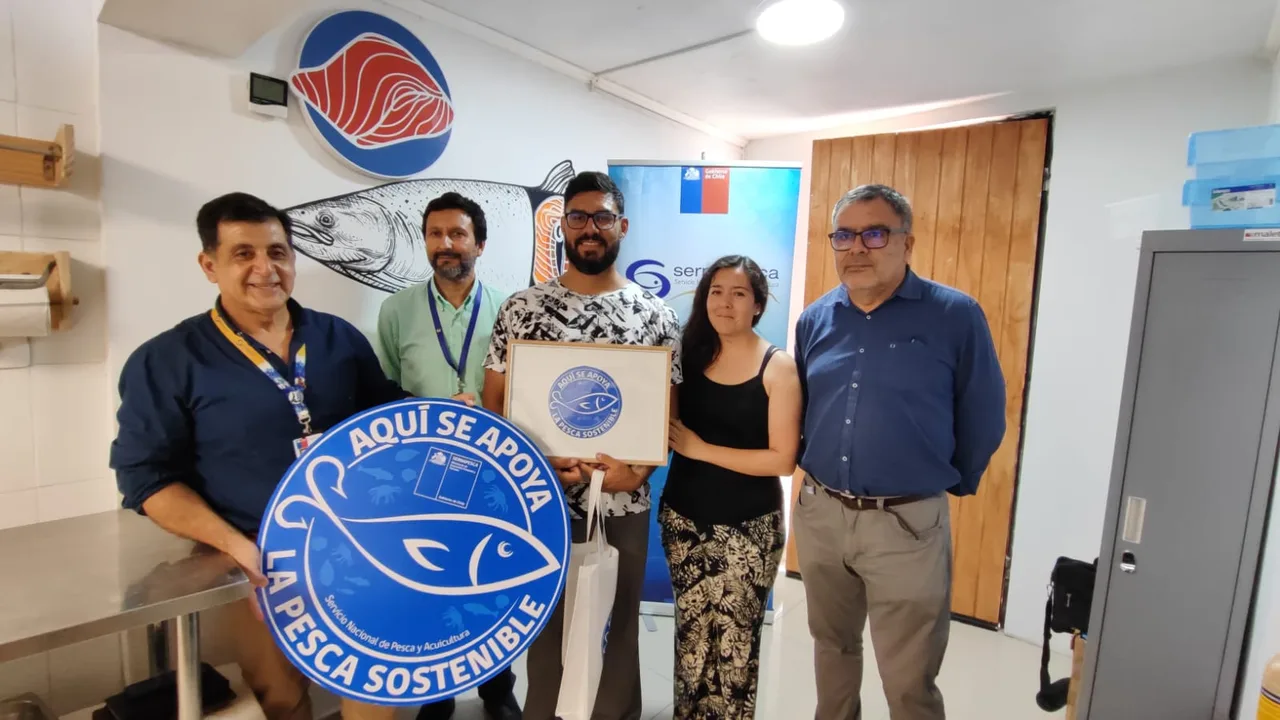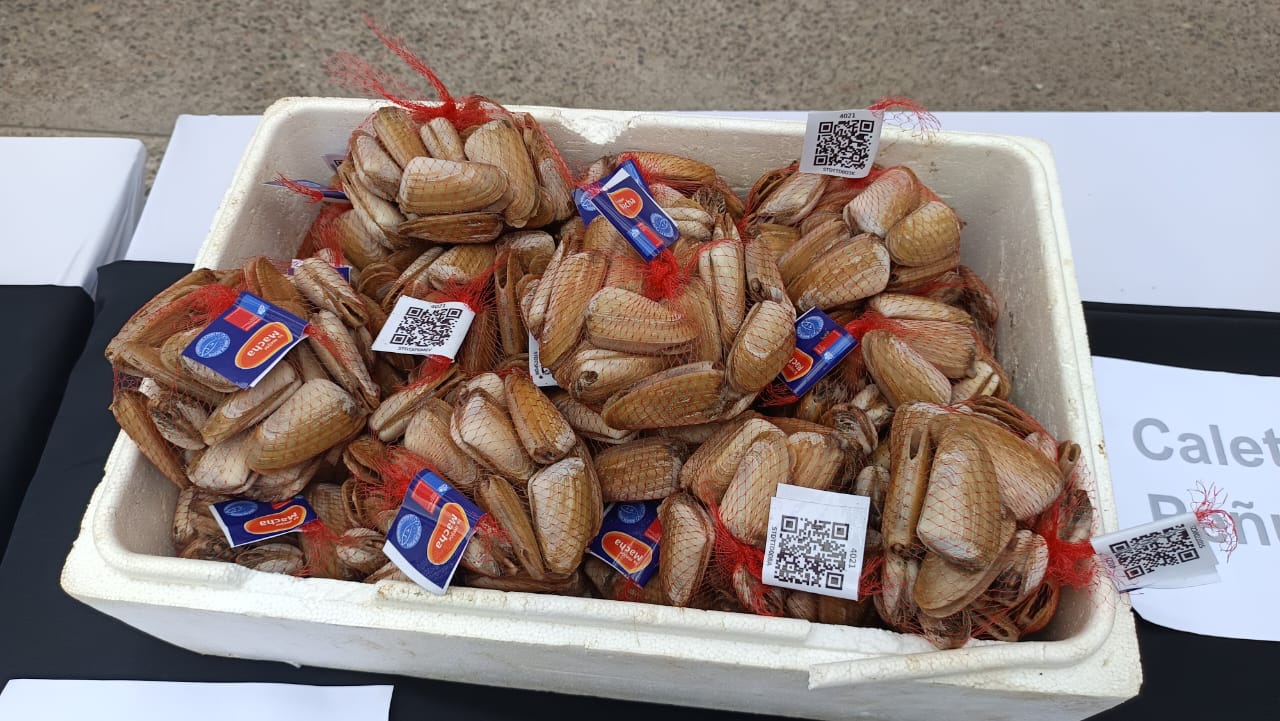
In Caleta Peñuelas, Coquimbo region, a program was launched that aims to strengthen the artisanal, legal and responsible supply, differentiating legally sourced resources through the use of technology and thus offering clear and transparent information to the public.
Macha is one of the key resources of the Coquimbo region, in fact more than 99% of this resource with legal origin comes from this part of the country. Given this and that illegal fishing is one of the greatest threats to its sustainability, this Tuesday in Coquimbo, the first traceability program for this resource was launched -through the PNUD GEF Humboldt II project- which aims to strengthen the artisanal, legal and responsible, differentiating the legal sources of resources by using technology that allows providing clear and transparent information to the public.
This program, presented this week in the bay of Peñuelas in Coquimbo, is part of the development of the PNUD GEF Humboldt Project, which is carried out, among other institutions, by the Fisheries and Aquaculture Subsecretariat (Subpesca)
This system was driven by Sernapesca, regional authorities and the artisanal fishers' organizations established under the "strengthening table", which is a public-private collaborative body, between the fishers and the authorities, that allows coordinating the actions of resource care, combating illegal fishing and promoting the responsible consumption of these resources.
"Through a QR code, buyers of macha across the country will be able to find out the origin of the resource, who, when and where it was extracted. This is a pilot programme of great relevance because it contributes to sustainability and promotes informed and responsible consumption of seafood products. In addition, this system adds value to this important fishery resource, which mostly comes from this region," explained Juan Santibáñez, head of the Fishing Development Division of Subpesca.
Also, Santibáñez added that the development of this type of projects "is a concrete way to contribute to the fight against illegal fishing of this resource which endangers sustainability, fishermen, local economies and also the health of consumers".