The corridors of the farming rafts manufactured by Walbusch S.A. passed the first structural stress tests corresponding to more than 50 tonnes.
Recently, in the commune of Puerto Montt, Los Lagos region, Chile, and in the premises of the company Walbusch S.A., the "land" phase of the Validation Plan of Project 6 of the initiative entitled "Development and pre-commercial prototyping of a productive and operational unit destined for fish farming to develop enabling technologies in ocean aquaculture that allow exploitation of these cultivation areas", the which is driven by the Corporation for the Promotion of Production (Corfo) within the framework of the Strategic Technology Program for the Development of Ocean Aquaculture (17PTECAO-84017).
This milestone was attended – among others – by the Operations Manager of the salmon farming company Granja Marina Tornagaleones (GMT - Marine Farm), Claudio Andrade; the director of 17PTECAO-84017, Dr. Daniel Nieto; the external auditor/validator for Corfo in this matter, Rodrigo Carrasco; and experts from Walbusch.
"For this validation stage of the project, work began much earlier, with the aim of designing and sizing the sensors. All of this in conjunction with international technology providers, in order to monitor the efforts to which the naval artifacts are subjected," explained Enrique Reyes, in charge of Walbusch.
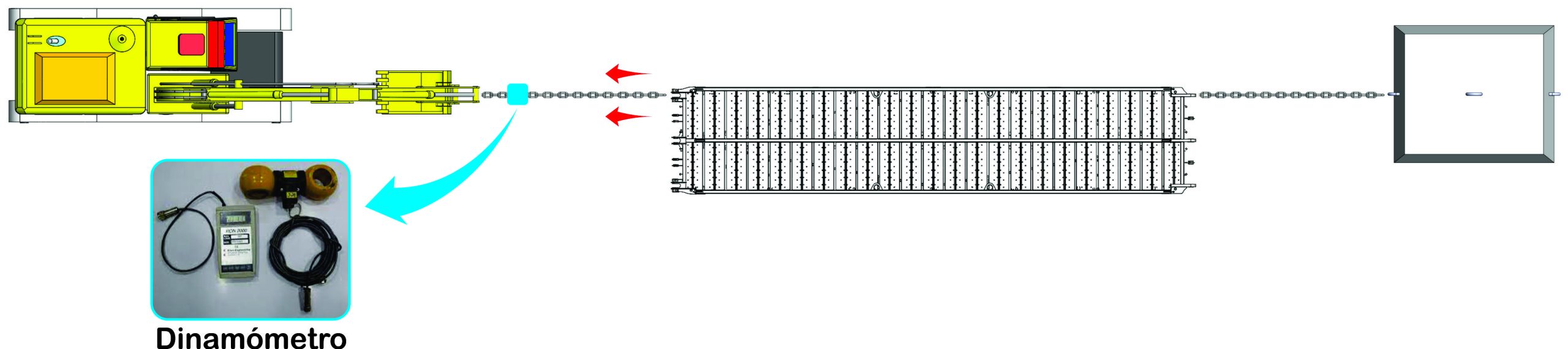
More in detail, the aim was to subject various structural components of the farming rafts (such as corridors, tee, floats, among others) to overexertions that are controlled and monitored, in order to possibly determine critical points, such as: deformation, fatigue and/or rupture.
"This information will be of great use to be analyzed by the Department of Engineering and Projects in conjunction with the Research, Development and Innovation (R&D+i) area, and to feed back into the design and modeling programs," specified Reyes.
Real time
During the initial tests, in which more than 50 tonnes of load were recorded, various structural and stress analyses -such as tension, compression and bending- were also carried out to demonstrate that these technologies can indeed withstand high energy marine conditions, that is, waves of 3 metres, currents of 3 knots and winds of between 70 and 90 kilometres per hour.
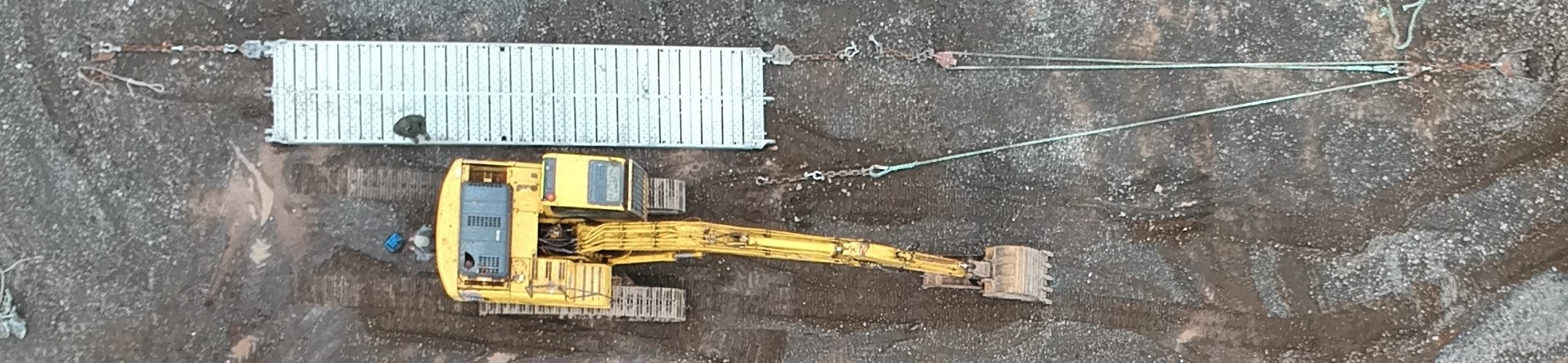
In addition, Enrique Reyes highlighted, the sensors acquired have the capacity to transmit information in real time, "which allows making decisions at the very moment the tests are being carried out and, at the same time, they have a data logger for storage and post-processing".
These tests will continue to be carried out in the company's premises, under controlled conditions, to later be installed, the set of sensors, on the cultivation structures at the "Pirén" center of GMT. Information that will be complemented and cross-referenced with oceanographic variables, for which another number of monitoring systems have been acquired, such as current meters and wave buoys.
Funding
The innovative technologies that have been developed from 17PTECAO-84017, whose funding exceeds 15,500 million Chilean pesos (75% is private contribution and 25% public through Corfo), have been developed by the supplier companies Walbusch (produces the farming rafts), Aquarov (develops the ROVs, an acronym for Remotely Operated Vehicle) and AST Networks (generates the smart home technology), while their validation is being carrying out in GMT – Marine Farm, specifically in the high energy centers "Quillaipe" and "Pirén".
For more information, visit acuiculturaoceanica.cl and/or write to info@acuiculturaoceanica.cl.
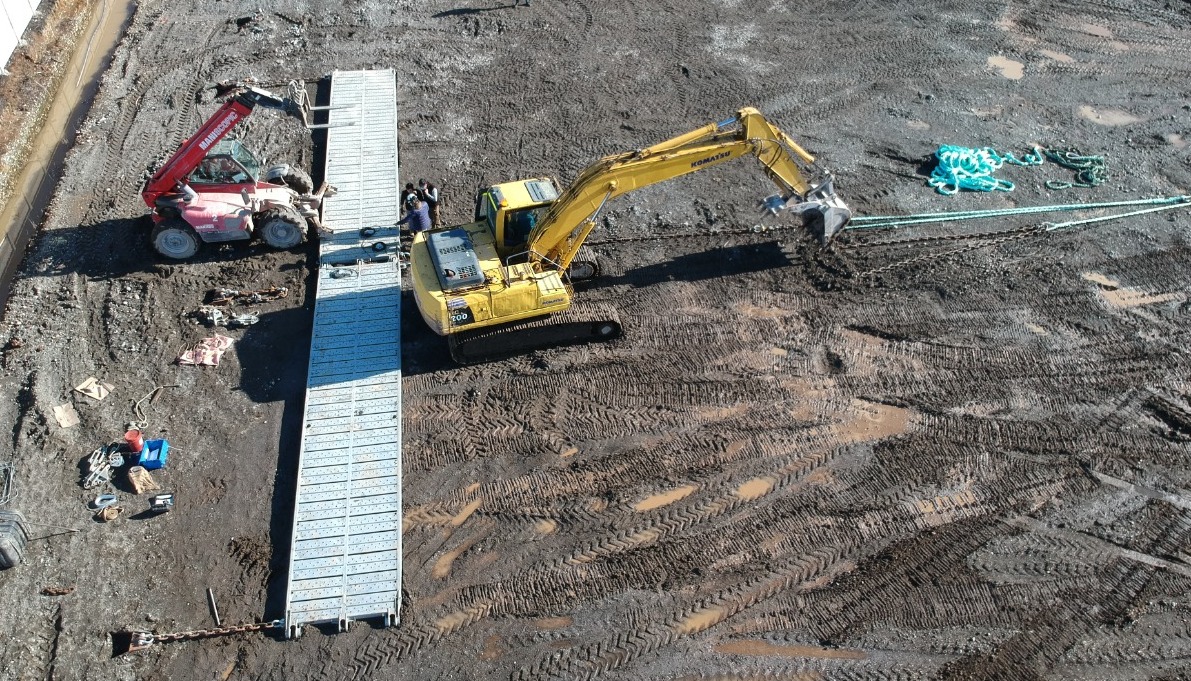
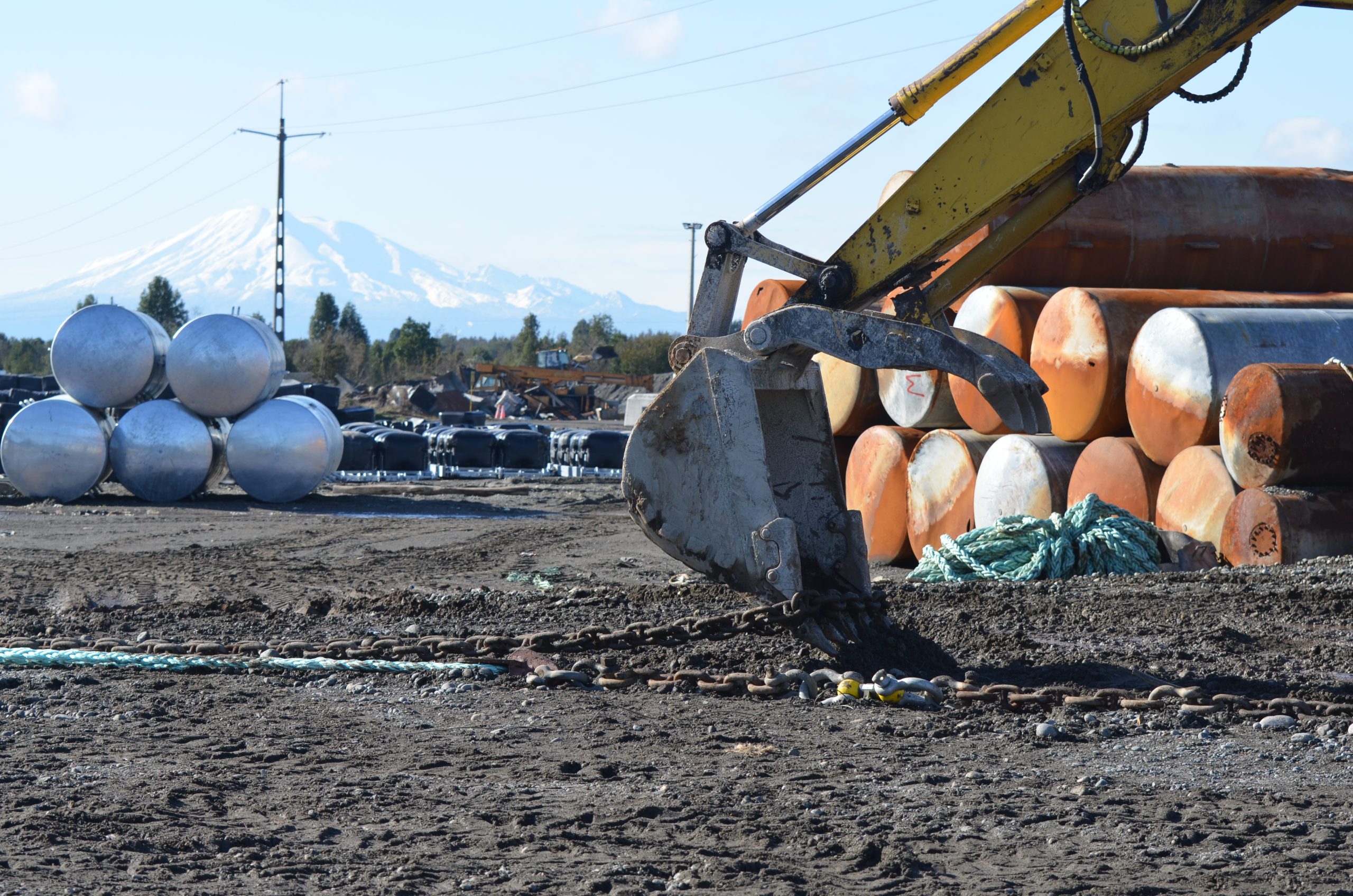
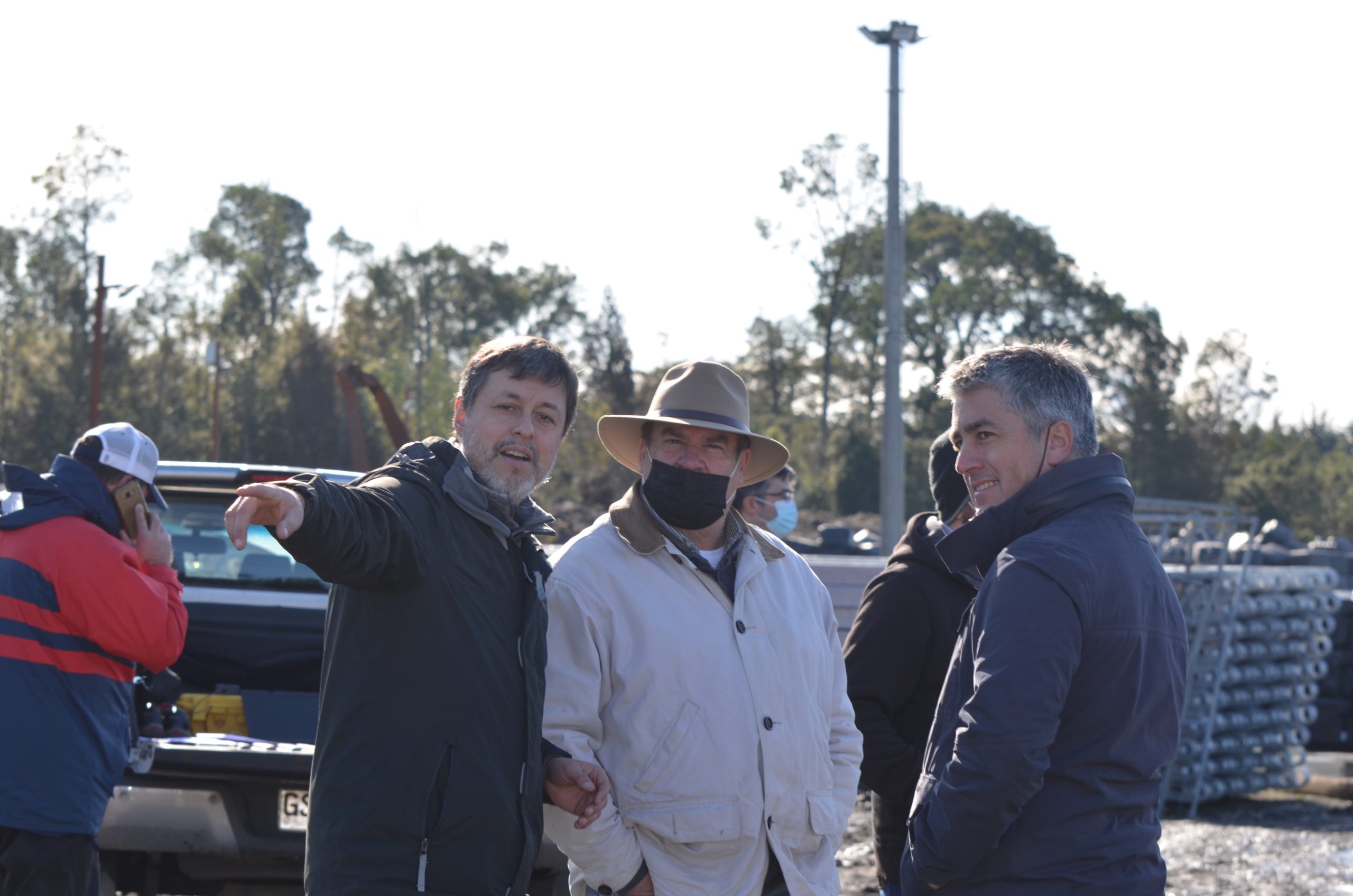
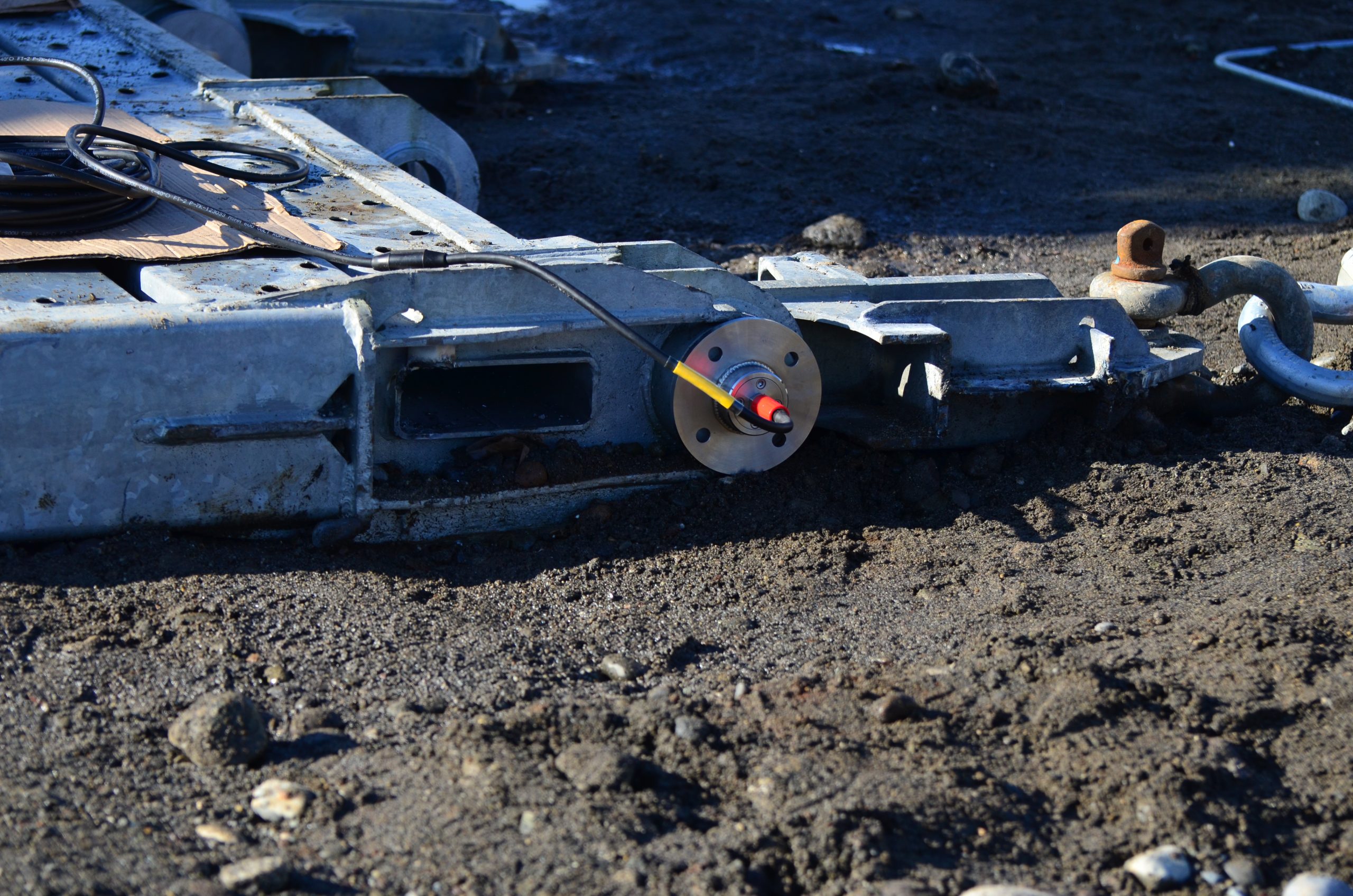
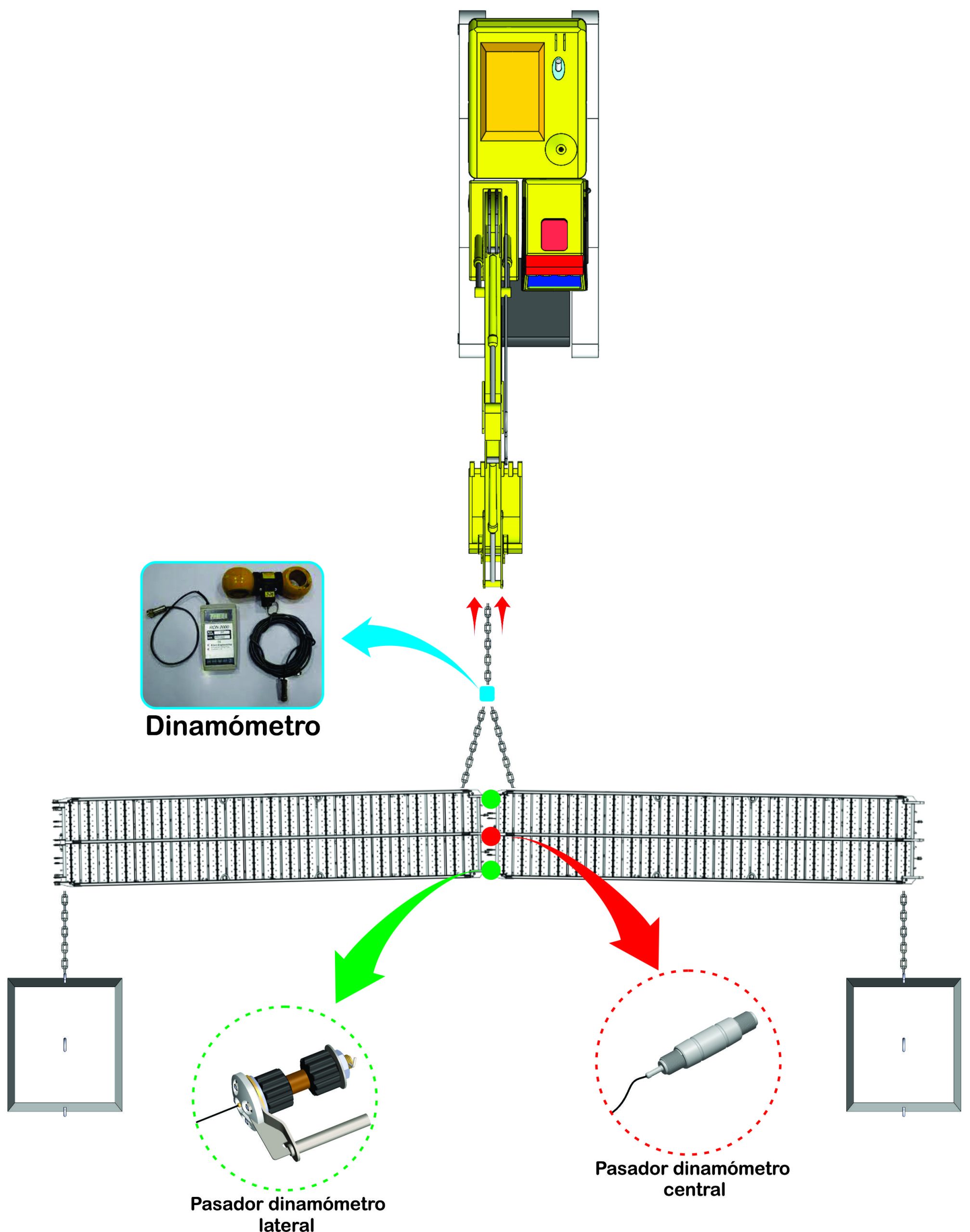
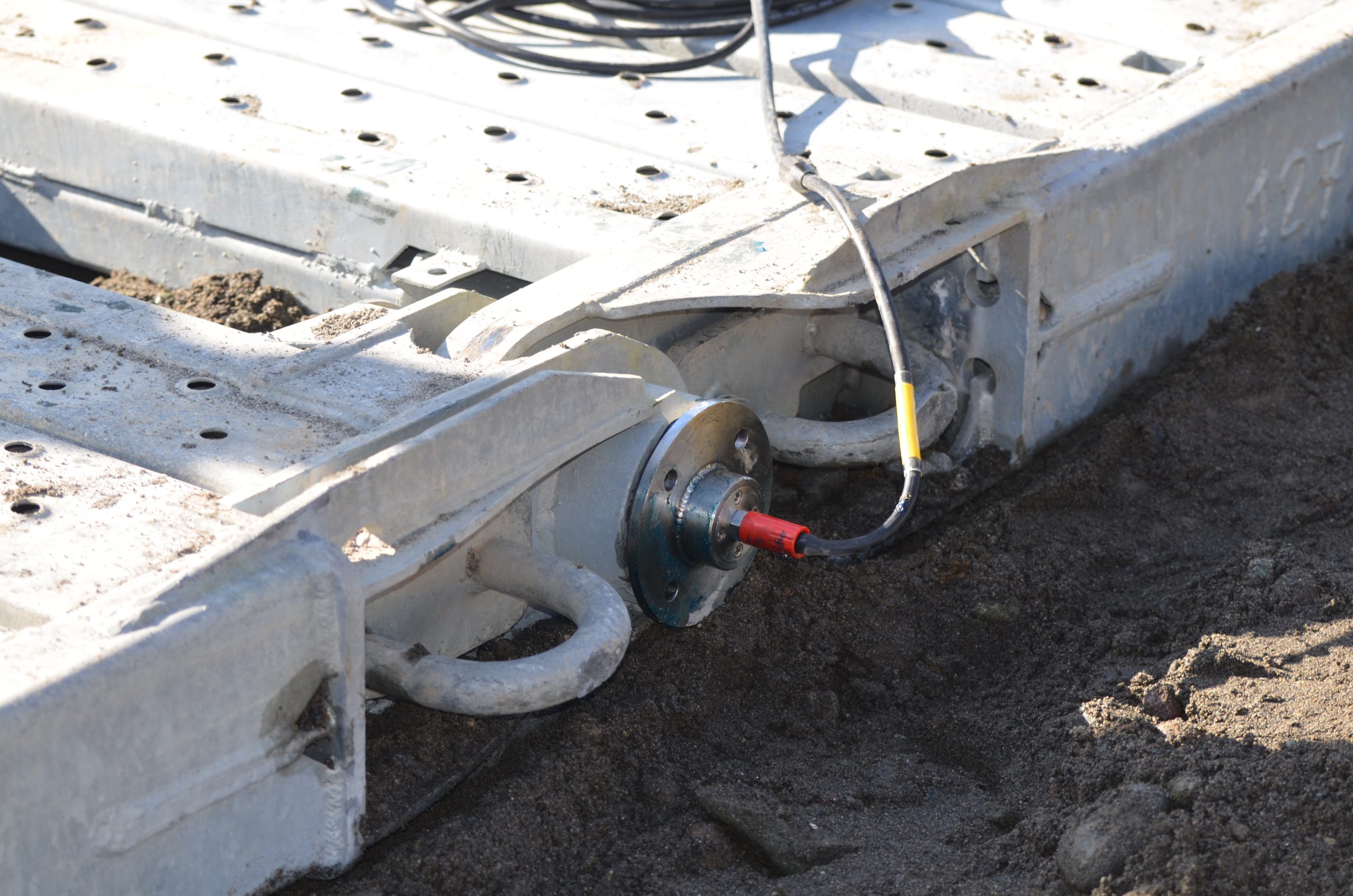
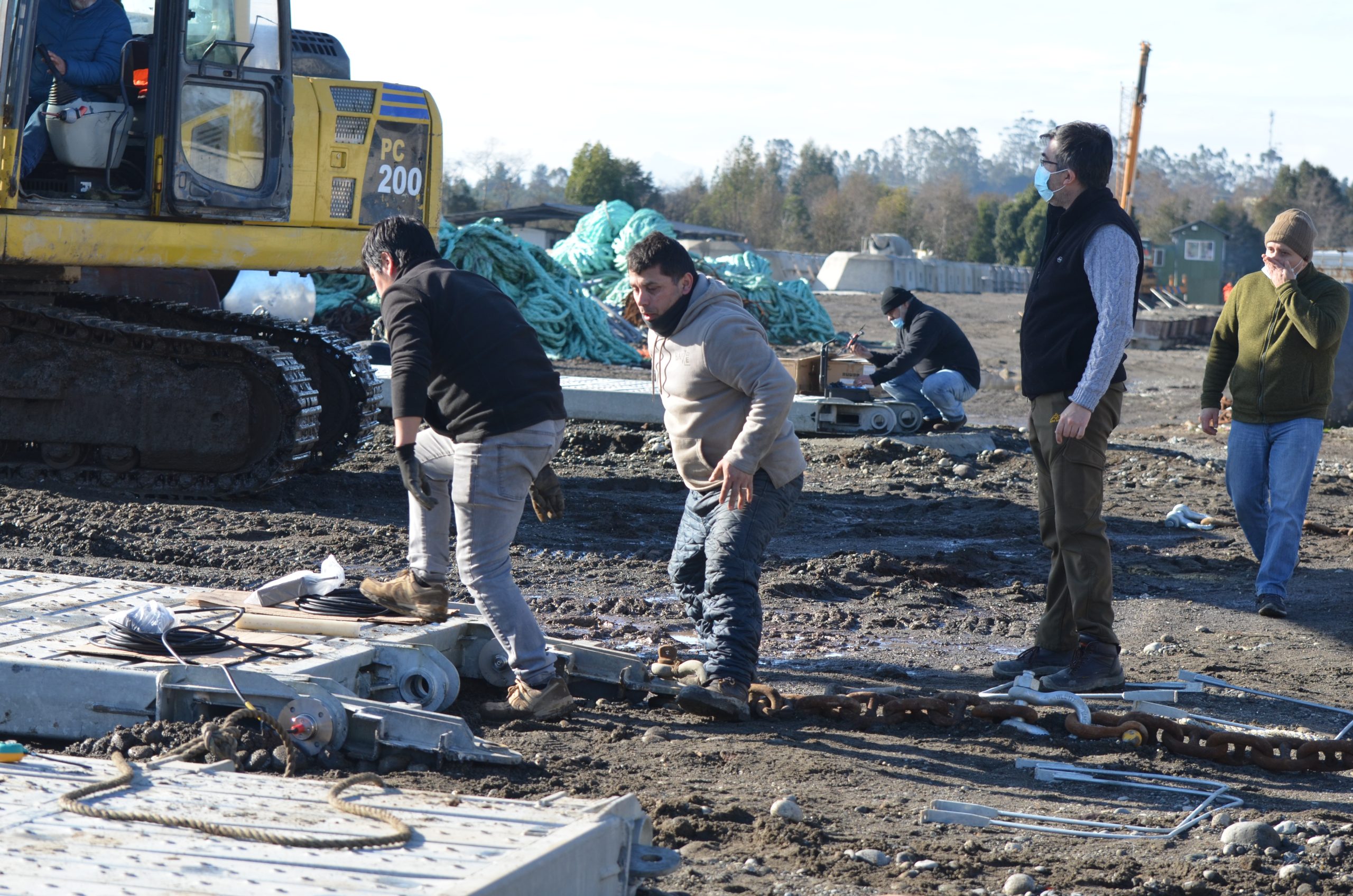
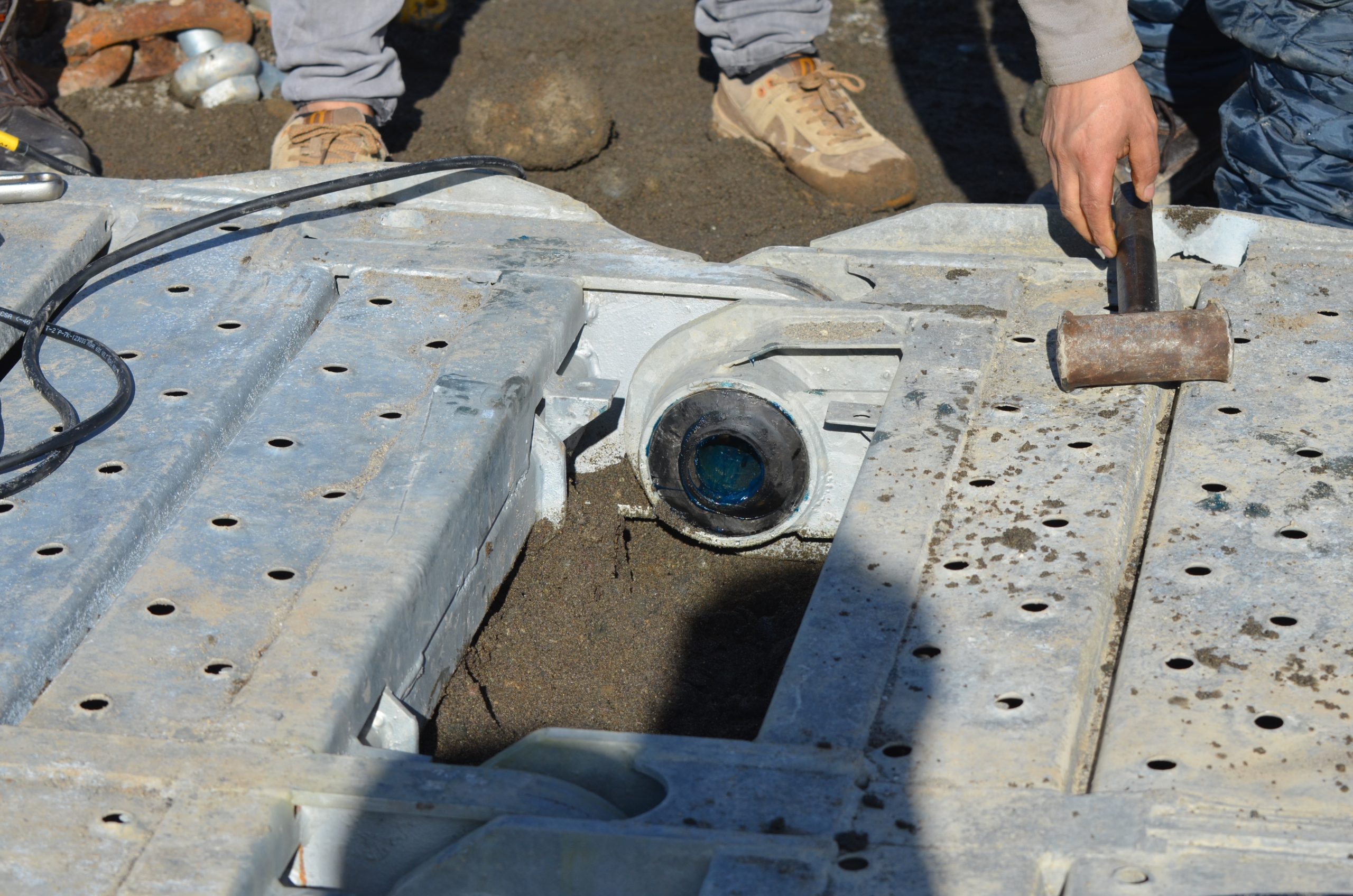
*Image credits: courtesy of Walbusch and Corfo.