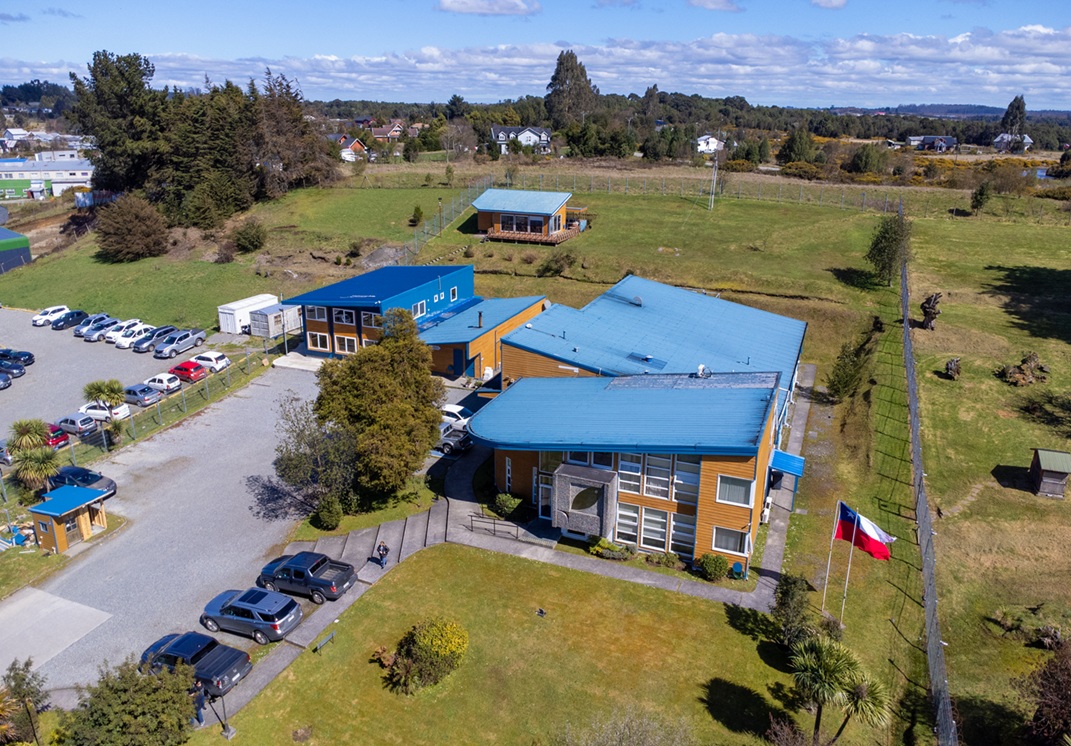
ADL Diagnostic Chile, a company associated with the Chilean Aquaculture Innovation Club, is part of an international research initiative driven and coordinated from Norway, aimed at strengthening the understanding and management of Piscirickettsiosis, one of the most complex health challenges facing salmon farming globally.
The increasing complexity of the health challenges faced by salmon farming at an international level has driven the development of new collaborative research initiatives between producer countries. In this context, the ADL Diagnostic Chile laboratory, a company associated with the Chilean Aquaculture Innovation Club, participates in the international project PisciNOR, a research initiative driven and coordinated from Norway, which brings together countries that have begun to face an increase in the health relevance of this disease, such as Ireland and Scotland.
Although in Norway, Piscirickettsiosis has historically had a limited health impact, its recent re-emergence in other territories has generated growing concern in the international aquaculture industry. In parallel, health alerts have been reported in other producing countries, such as Australia and, to a lesser extent, New Zealand, which has prompted interest in deepening the study of the factors that could be influencing it. in the change of behavior of the disease.
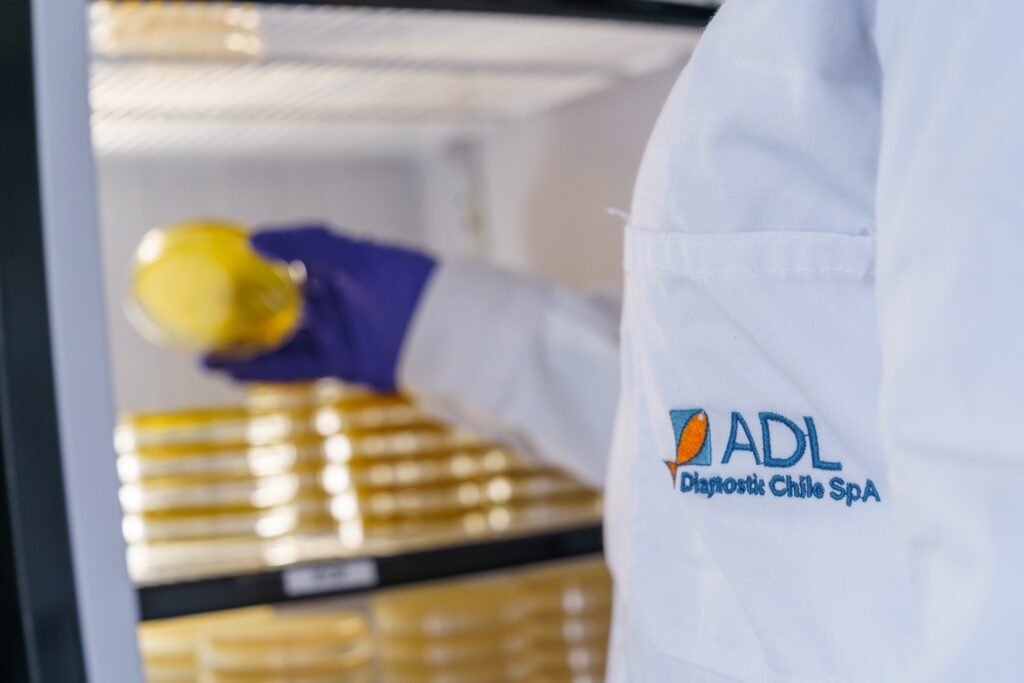
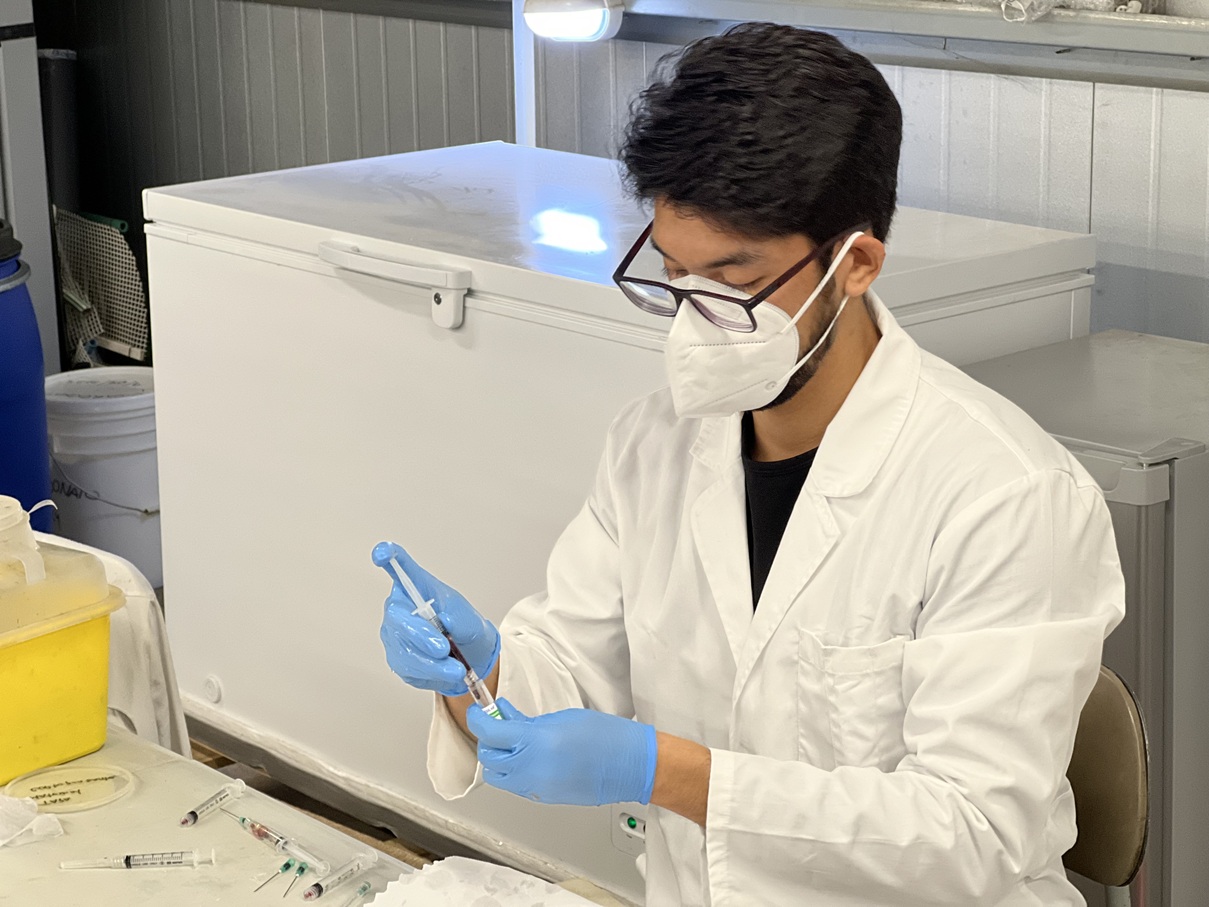
In this scenario, and given the level of experience accumulated by Chile in the analysis and management of Piscirickettsiosis, the country was invited to participate in the PisciNOR project together with Norway, Ireland and Scotland. In representation of the national ecosystem, ADL was called upon to join this international initiative, contributing its technical knowledge, diagnostic capabilities and scientific experience developed over more than 15 years of work in the field of aquatic health.
During this period, ADL has developed specialized studies on the Salmon Rickettsial Syndrome (SRS), generating relevant information and applied solutions, supported by more than 13 scientific publications in high-impact international journals. This knowledge will allow a significant contribution to the project's objectives, particularly in the generation of applied evidence for biosecurity, the risk assessment and science-based health decision making.
The PisciNOR project is led by researcher Dr. Duncan Colquhoun and coordinated by the Norwegian Veterinary Institute (NVI), with funding from the Norwegian Seafood Research Fund (FHF). It involves institutions from Norway, Ireland and Scotland, consolidating a transnational collaboration aimed at strengthening the prevention, preparedness and health response to this disease.
From the Aquaculture Innovation Club of Chile they highlight that the participation of one of their associates in an initiative of this magnitude reflects the level of scientific and technological capabilities existing in the Chilean aquaculture supplier ecosystem, as well as its projection and recognition at an international level. Likewise, they emphasize that such collaborations demonstrate the value of linking applied science, innovation and cooperation between countries to face health challenges. shared by the global aquaculture industry.
The participation of ADL in PisciNOR is part of an international collaboration strategy aimed at advancing towards a more informed, resilient and sustainable aquaculture, in a context where health challenges are becoming increasingly complex. Initiatives such as this reinforce the importance of applied science, international cooperation and the role of technology providers in strengthening the productive sector.